Rainiers Roundup: Arroyo, Montes Still Need Tune-Ups, Criswell Rehabs with M’s Triple-A Affiliate
Minor league baseball isn’t the Show and it isn’t college.
With the MLB openly proposing to nix high school eligibility and offload domestic development to NCAA, it’s useful to remember the purpose of the farm leagues. Of course, for the communities these teams inhabit, they provide public events and encourage commerce. On the baseball side of things, their primary purpose is to develop prospects into players.
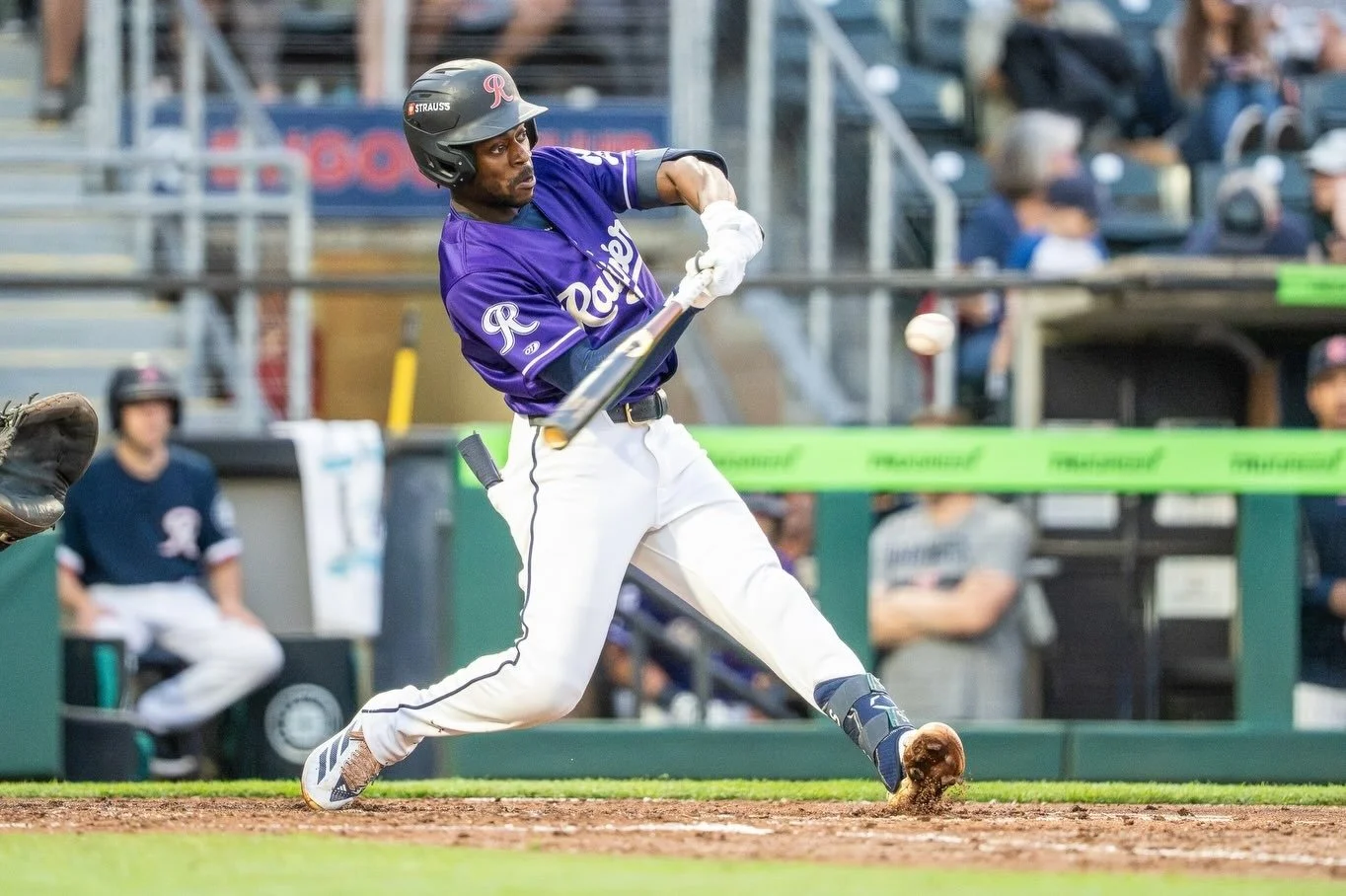
For the Triple-A Tacoma Rainiers, who are well out of the Pacific Coast League’s playoff picture deep into the season (having already been a middling team in the first half and sitting nine games out of first for the second half playoff spot - the PCL runs on a similar playoff format to Mexican soccer), the objectives are still the same, more or less, as they would have been were they one game back: develop their top prospects into superstars and keep everyone, regardless of prospect pedigree, ready to go in case the big league club needs them.
“At this level, guys are playing for a lot more than just finishing first,” said Rainiers manager John Russell. “Guys are still wanting to stay ready in case they get an opportunity to go to Seattle or maybe another major league club.”
Organizational depth is the term used in the business for players like Patrick Wisdom, Connor Joe, and Stuart Fairchild. Other players, such as Brock Rodden and Charlie Beilenson, are lower or middle-ranked prospects in the organization who might get a bit of runway if circumstances allow.
The line between these two categories is blurry, as Ryan Bliss can attest. The pipeline from outside prospect to organizational depth typically runs one way in accordance with the will of undefeated Father Time. But the chance to prove oneself at the major league level is motivation enough for plenty of the guys down in Tacoma. If not that, then a sense of duty to his teammates or a hunger to keep playing the game as long as they can. Or all of it.
Analysis: Where Mariners’ Farm System Ranks and What Comes Next
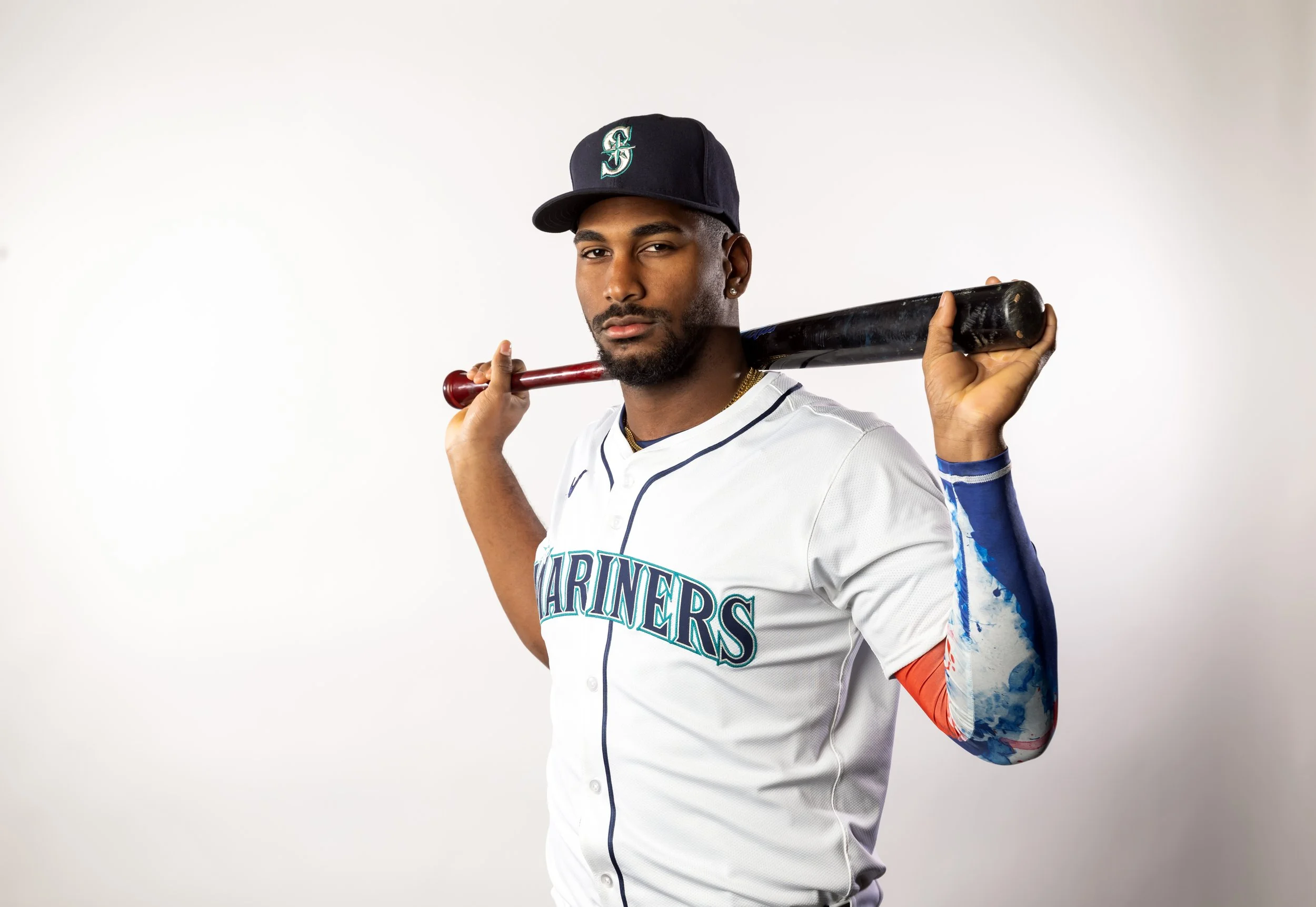
As the Mariners attempt to claw their way back into playoff contention, it can be easy to focus on the letdowns of the major league club. The organization has plenty of other reasons to be optimistic, with a talent-rich farm system that would be the envy of most teams.
When Seattle traded Luis Castillo to the Chicago White Sox, it was initially billed as a salary dump and a way to reduce the logjam of starters in the rotation. The Mariners acquired Seranthony Domínguez, who slots in as a middle-relief option. Seattle also received prospect Boston Smith, who has been mashing with six home runs in his first 11 games. The catcher adds to an already impressive minor league system.
“It’s the Same Baseball”: Michael Arroyo Finds Early Triple-A Success Despite Underlying Questions
TACOMA, Wash. - Beginner’s luck can be a blessing or a curse. Or both: just ask Colt Emerson, whose early apparent MLB breakout had a lot to do with early luck in the Show (and whose process has taken a big dive after that luck ran out).
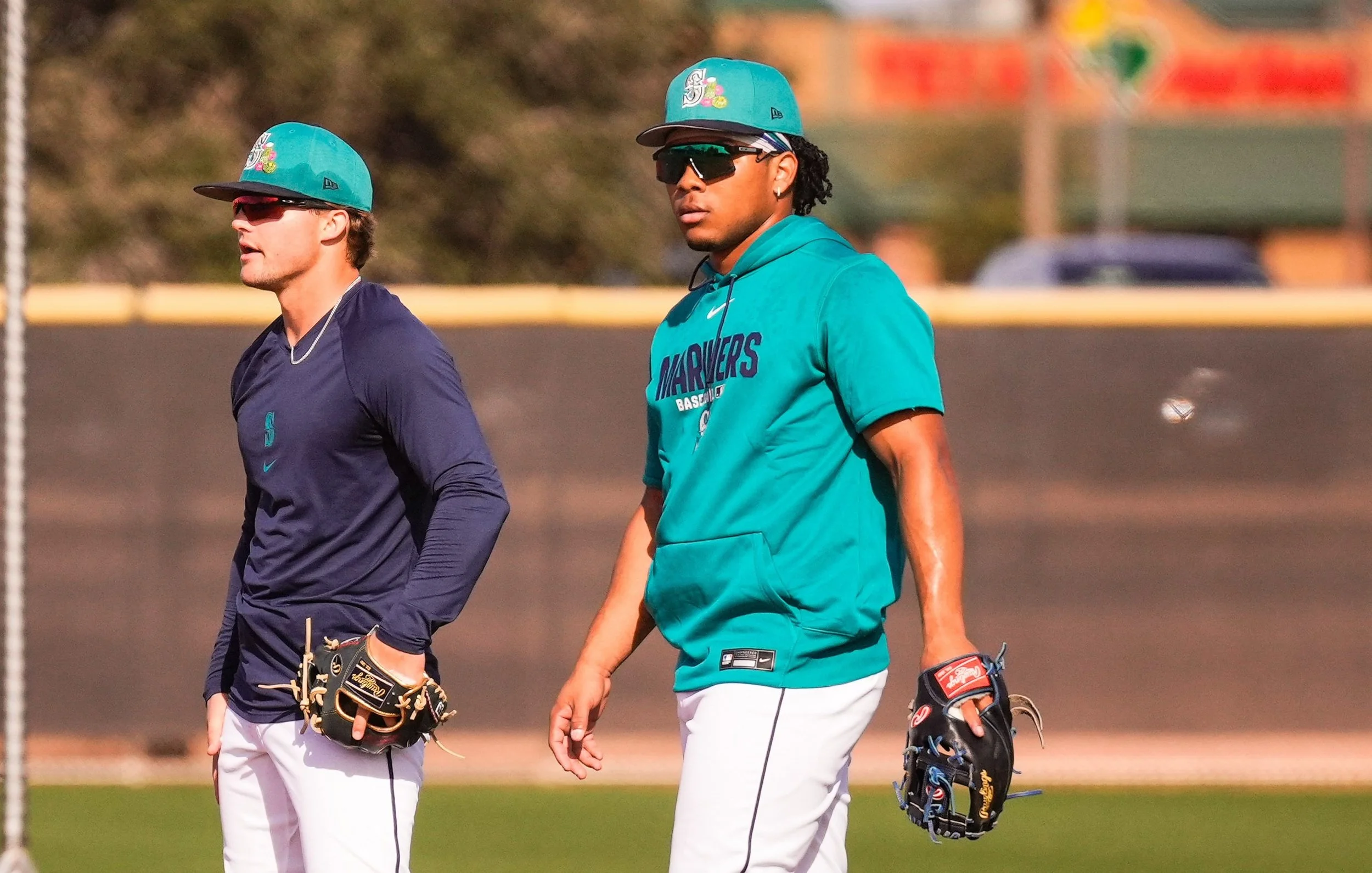
It’s not clear how Michael Arroyo - the Mariners’ eighth-ranked prospect according to Baseball America - will be affected by his own good luck over his first week and a half of Triple-A play. But there’s no question that the 21-year-old righty has seen an early comfort boost at his new level as his batted balls keep falling in for hits.
“I think there’s a big difference between Double-A and Triple-A, but it’s the same baseball,” Arroyo said. “There’s a different environment, but it’s the same baseball and it’s the same game.”
Arroyo got the call-up from the Double-A Arkansas Travelers to the Triple-A Tacoma Rainiers alongside fellow 21-year-old Lazaro Montes. Beyond their age, shared level, and status as top batting prospects, there are plenty of differences between these two.
Where Montes is one of the biggest power bats in the minors, Arroyo is a contact-first hitter with a history of good swing decisions. In Double-A this year, Arroyo swung at 79% of pitches in the zone and 29.3% of pitches outside the zone (per TJStats), a difference on par with the most discerning major league batters. During his first nine games in Triple-A, however, he has swung at 78.1% of pitches in the zone and 40% of pitches out of the zone, a much less impressive difference.
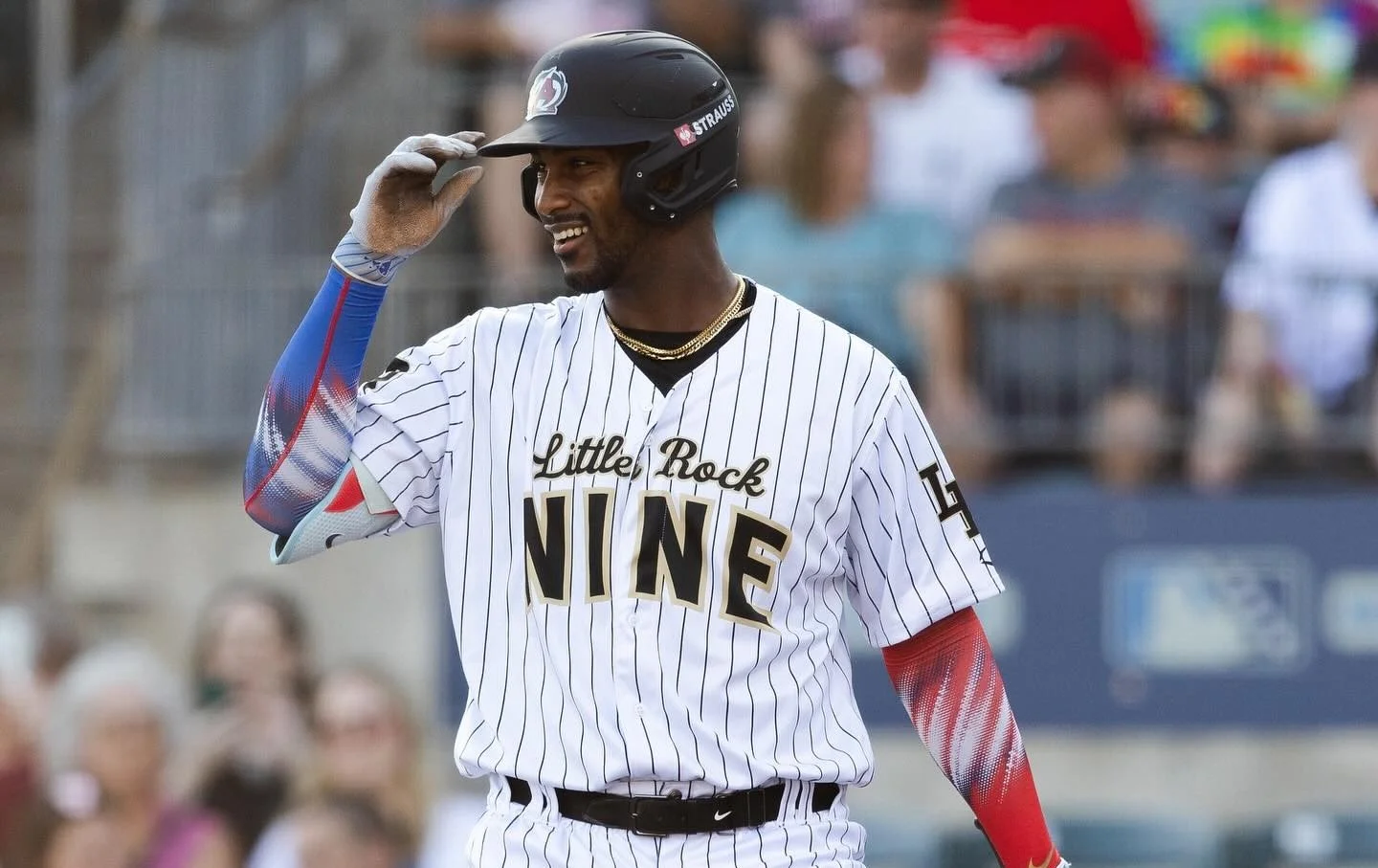
WATCH: Analyzing Mariners’ Triple-A Power Prospect Lazaro Montes
On a rapid ascent up the farm system ladder for the Seattle Mariners, Lazaro Montes has been ripping the cover off the baseball from Everett to Arkansas and now will take his talents to the final stop before making it to the big league level.
Emerald City Spectrum reporter Callaghan Bluechel explores Montes’ journey from Cuba to top prospect with the Mariners and profiles his talents as he gears up for his latest stop with the Tacoma Rainiers on the fast track to making the big league club.
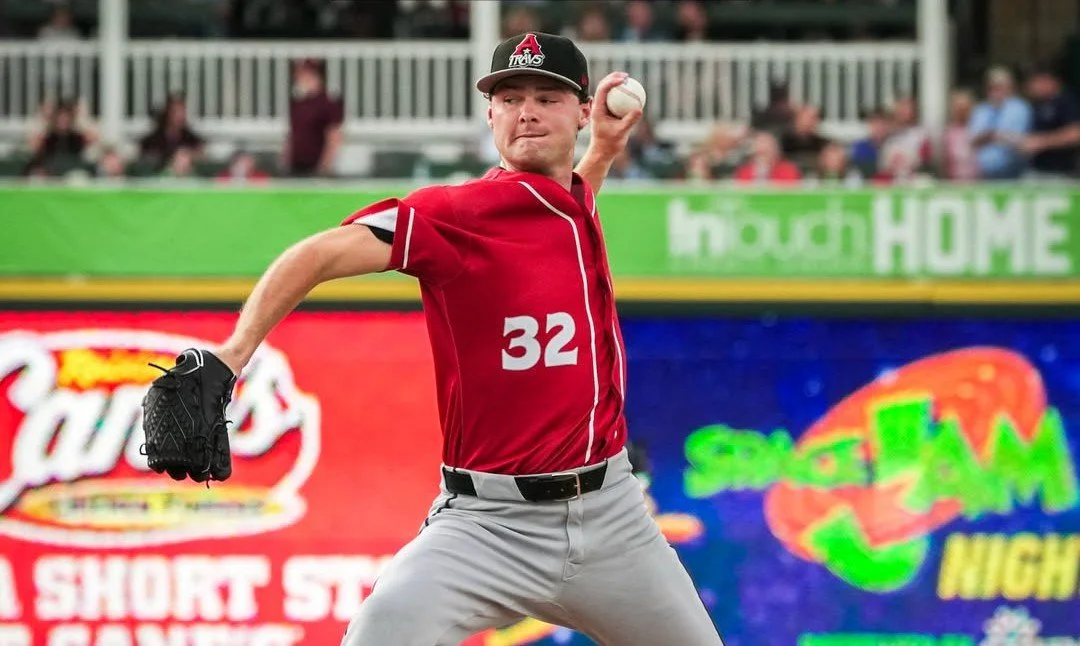
Down on the Farm: Midseason Check-In on Mariners’ Top 5 Prospects
Despite the mediocre start to the season for the big league club, it’s an exciting time to be a Seattle Mariners fan. The major league club is squarely in contention for the AL West and even still could be considered the favorite in the division, in large part due to young players stepping up and playing big roles.
In the midst of a hot streak, 22-year-old Cole Young leads the team in bWAR (2.8) and is fresh off a multi-homer game on Monday against the Angels. Despite a recent slump, top Mariners prospect Colt Emerson is managing an above-average 104 OPS+ with seven homers in 36 games thus far. And away from those two players, more help may soon be on the way to the majors to help the cause in the second half.
How are the other exciting Mariners prospects doing that are yet to make their MLB debuts?
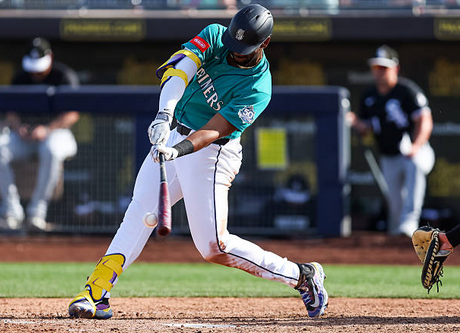
Are Spring Demotions Setbacks for Montes, Morales? Analyzing Mariners Roster Moves
Through the course of Spring Training, there will always be players who impress and players who don’t. It’s quite a small sample in these early games - there’s a reason that farm teams play over the course of a whole year - but it can give a sense of readiness when it comes to facing big league or near-big league opposition. The Mariners made a series of moves on Wednesday, March 11 that indicated how they feel about a number of prospects in their organization, sending five non-40 man players to minor league camp and optioning two more guys to Triple-A.
But what do each of these moves mean for the players involved? Are they significant setbacks in their journey to the Show, or was it something that was bound to happen? As we’ll see, it depends on the player.
Lazaro Montes still has a ways to go before making his MLB entry.
There has been some serious billing for Laz Montes over the years, with occasional comps to premier sluggers like Yordan Alvarez and some very clearly high marks on his raw power.
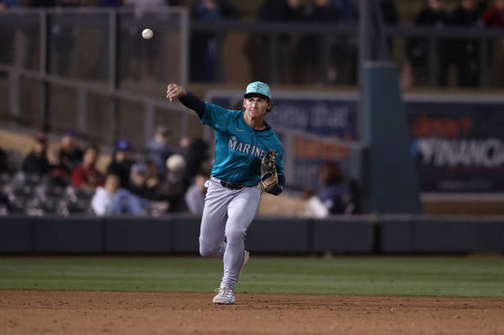
Five Mariners Hitting Prospects to Keep Tabs on in 2026 Spring Training
The Seattle Mariners announced 34 non-roster Spring Training invitees on Friday. These are players who are not on the 40-man roster - many of them some of the top prospects in the organization - who will nevertheless be able to compete in Spring Training exhibition games in Peoria as a test of their mettle in a more MLB-like environment. Not all of them are close to making it to the Show, but they will still afford the attention of Mariners-world as to where they are in their development. For guys higher up in the farm system, their performance in Peoria might make the difference between starting the year in Cheney Stadium or T-Mobile Park.
This is the first of a series of four articles going over some of the higher-ranked prospects in the Mariners system who have received the Spring training invite and the first of two covering some of the hitters.
Before we get into the prospects, it’s important to familiarize yourself with the 20/80 scale, which baseball scouts use to evaluate players’ abilities or “tools”. Each tool is rated on the scale, where 50 is MLB average, 20 is about the lowest things get for an MLB player, and 80 is about the highest. In statistics terms, each increment of 10 is one standard deviation from the mean, so roughly 95% of big league batters have a hit tool between 30 and 70. Some systems of scouting differentiate between present grades and projected future grades, while others only give those projected future grades. These analyses give the scouting profiles from FanGraphs (which separates present and future) and Baseball America (which does not).

Who’s Hot, Who’s Not? A Deep Dive Into Mariners’ Prospects One Month Into 2025 Season
While not all of the Mariners’ highly-ranked prospects have opened the 2025 season with a strong start, several rising talents enjoyed a productive first month down on the farm, with a few potentially making a push to join the big club in the near future.

Explore our latest Seattle sports content by clicking on your favorite team(s) below!