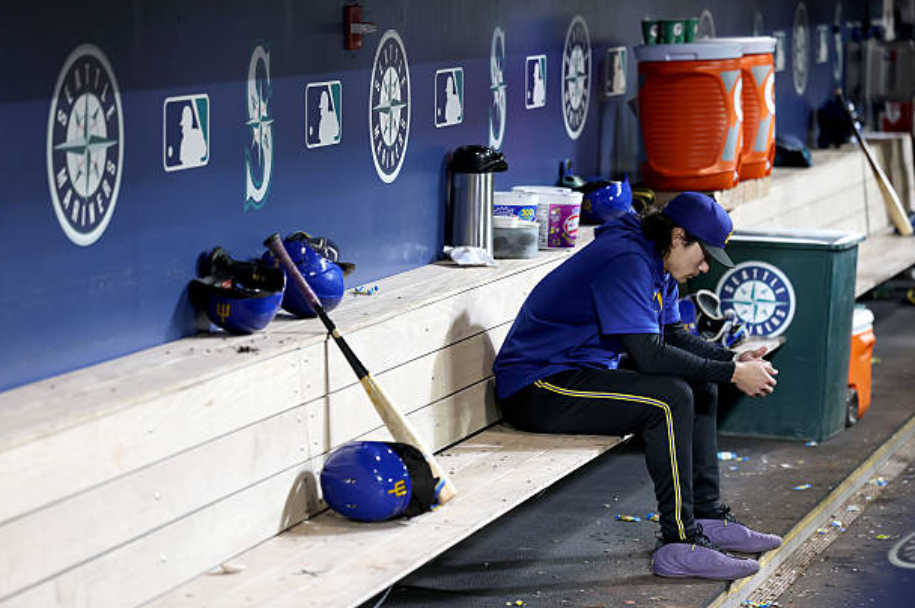
50 in 50: Mariners’ Self-Inflicted 2026 Disaster Most Disappointing in Team History
There have been many bad seasons in Mariners history, far more in fact than there have been good years. It took Seattle 15 seasons to have a winning record, after all, and this is the team that won 116 games in a season and didn’t make the World Series. The Mariners, of course, have never made the World Series, the only team in baseball with that dishonorable feat on its name.
The 50-year history of the Mariners has been defined, more than that of any sporting club this side of the Buffalo Sabres, by unceasing failure. And yet the game has cultivated an unyielding nostalgia in Rain City for days that did not end in glory.
And yet out of all the seasons the team of failure has played, 2026 found a way to be the most singularly disappointing. What happened was laughably preventable and cartoonishly immense, at once utterly unforeseen and perfectly predictable, and until baseball starts again - an unknown date courtesy of the coming labor war - it will be all that the M’s can think about.
Last year, the Mariners came closer than ever to their first world series berth, only stayed by a former Astro’s gut-punching home run to send the Blue Jays to the Fall Classic. One rival, it seemed, was replaced by another, and a not insignificant portion of the Emerald City found themselves rooting for the hegemonic Dodgers’ eventual repeat.
When the 2026 season began, the message from the clubhouse and the organization was clear: World Series or bust. The Mariners set out for a mandate, to take their place in the sun, to become baseball’s next dynasty. More resonant with the long-beleaguered fans was the simple idea of finally going to the mountaintop.
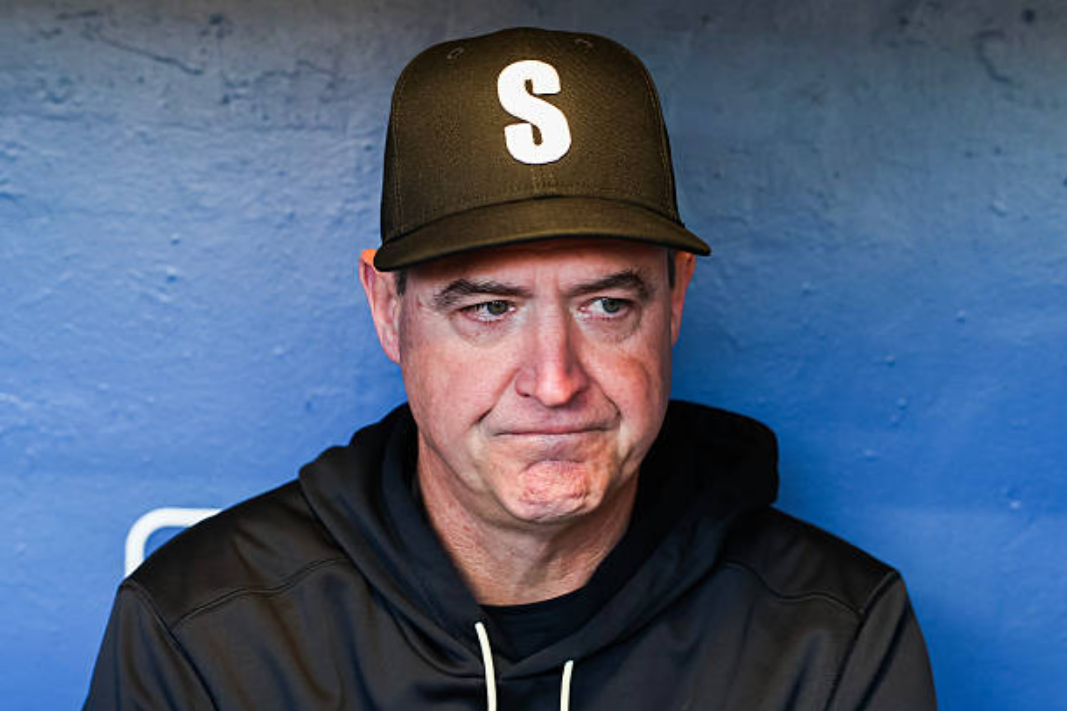
Wilson Departs as Manager, Rizzs Calls Final Game as M’s Finish Year 76-86
The 2026 Mariners season has come to a close. It opened with incredible and much-discussed promise, it sank visibly into the unforgiving ocean as the season went on, and it came to an unceremonious end over the duration of September, each nail slammed in the casket to the crawling cadence of an old sea dirge.
The story of our latter-day Edmund Fitzgerald ended with the long-telegraphed departure of manager Dan Wilson, who informed his players before the final game that it would be his last as skipper. In response to a direct question about whether he had left of his own accord or whether the decision had come from above, Wilson merely left strong hints.
“This was, you know, I've been in baseball a while, and this is what happens,” he said. “Managers shoulder the blame and shoulder the responsibility. And this is obviously difficult, and my family and I are still processing it.”
In spite of it all, there was a bit of fanfare on the final Sunday of them all, but despite the 7-3 team win, it was for a series of individuals; the collective spirit had been drained to the uttermost depths long before Logan Gilbert took the hill for his final start of 2026.
Gilbert indeed had his flowers as he passed 200 strikeouts in a season for the second time in his career, finishing his year with 205 punchouts and moving up to 1,089 for his career. So did Randy Arozarena, who capped off a career year batting .281 with a .381 on-base percentage and .484 slugging. J.P. Crawford, the longest-tenured member of the team, went 1-3 to finish the year. Both Arozarena and Crawford are free agents after this season and both are unlikely to return to Seattle.
Legendary broadcaster Rick Rizzs, however, was the most notable departure. He addressed the crowd at length after the final pitch, thanking them for their support over 41 years broadcasting the team’s games.
“I am retiring, not expiring,” Rizzs playfully reassured the fans. “72, I’m still okay.”
Having announced before the season that 2026 would be his last, the extent of Rizzs’ remaining on-air career would be determined by the play on the field.
And that play, regardless of what happened on the final day, was not up to snuff.
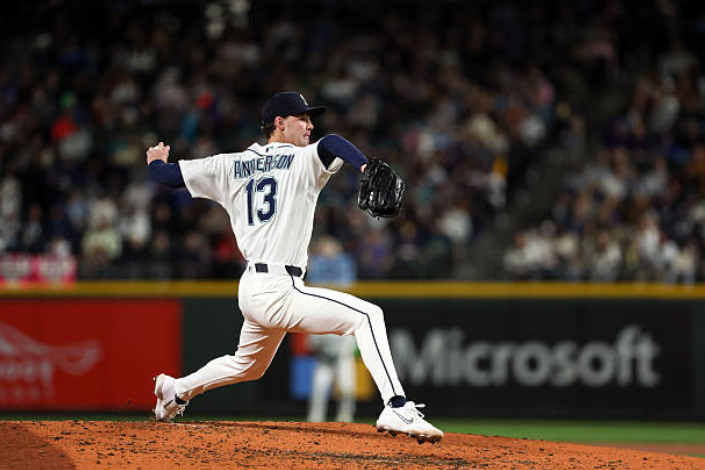
Kade Anderson Exits Early as Mariners Beat Angels 8-4
The Seattle Mariners got back to their winning ways in the penultimate game of the season, beating the rival Angels 8-4. The pitching was strong, and the offense was even stronger to secure the win.
Coming off a career performance in Colorado, rookie Kade Anderson looked to finish his first major league season strong. He got off to a fast start but was forced to exit the game early due to injury.
The offense continued to show what could have been this season, scoring eight runs on a remarkable 12 hits and six walks. It served as another reminder that if the lineup had heated up earlier in the year, Seattle’s season might not be ending Sunday.
The ceremonial farewell weekend for legendary radio broadcaster Rick Rizzs continued as he threw out the ceremonial first pitch before the game. Seattle sent its longtime voice off into the sunset with a triumphant win.
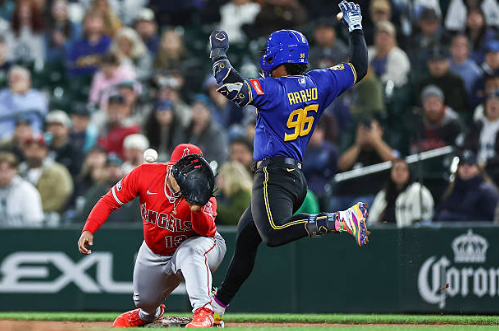
Mariners’ Late Rally Falls Short in 7-5 Loss to Angels
Having been eliminated from playoff contention, the Seattle Mariners put their pride on the line but came up short against the division-rival Los Angeles Angels in a 7-5 defeat on Friday. After falling behind 6-0 early, Seattle stormed back to make the game interesting but could not overcome the lead it had spotted its opponent.
Left-hander Reid Detmers is having a career year with a 3.47 ERA across 179 innings, and he dealt against a Seattle team that has struggled against lefties all season. The M’s also decided to rest veterans J.P. Crawford and Cal Raleigh, inherently limiting the offense.
Starter Bryce Miller had another up-and-down outing that was indicative of his season. Some innings, he looked like a superstar. In others, he looked like a deer in headlights.
The young rookies continued to look competent against major league pitching, providing hope that they might make the roster out of spring training next year.
What stood out from the final Friday night game of the season?
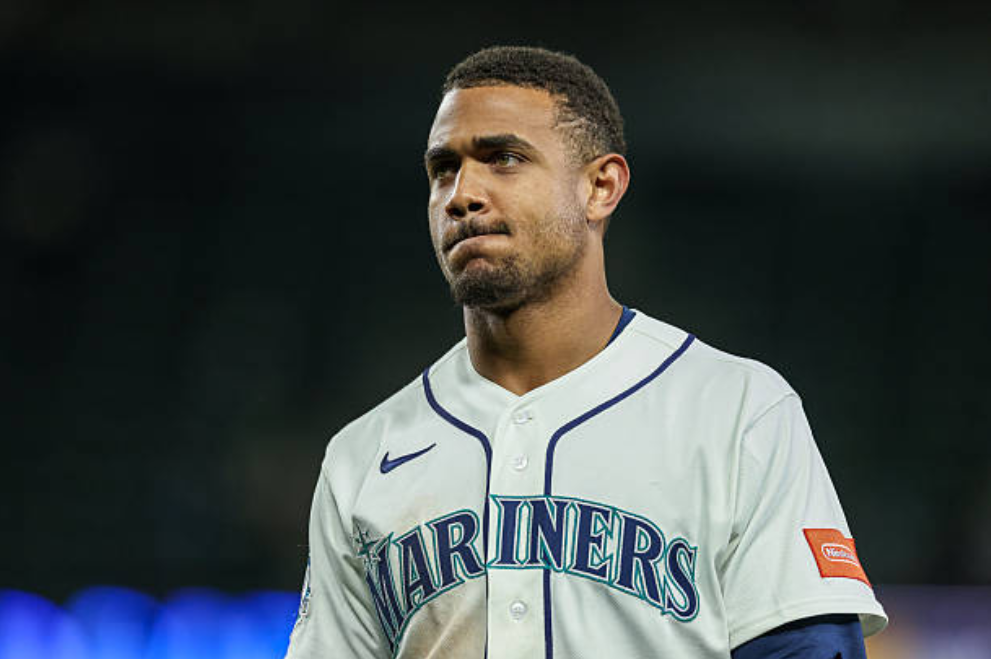
“We Never Turned It Around”: Disappointing 2026 Mariners Enter Final Series Officially Eliminated
The 2026 season has developed not necessarily to the Mariners’ advantage. Even as all the trends of the league turned in their favor, the team turned away their best and easiest chance to make the World Series.
And with the Texas Rangers’ 3-1 win over the New York Mets on Thursday, they are officially eliminated from postseason contention.
“Obviously we were kind of riding high off of last year, and somewhere along the way, things just didn’t click, didn’t come together, and we were never able to right the ship,” Cal Raleigh said on Thursday. “That’s the frustrating part, I thought we were gonna be able to get there, and we just never did. We never got better, we never turned it around.”
The Mariners, up to this point, have gone 10-3 against the Astros and 64-81 against every other team. Simply applying their .441 winning percentage to those 13 games would have resulted in a 70-88 record by the beginning of their final week, with their rivals holding an 82-74 record. Such an evenness would have long since sent the Mariners packing from the playoff race; in fact, that would be the fourth-worst record in baseball, even worse than the Giants.
Seattle’s draft lottery position is worse for ware given their overperformance against the Astros, but their ticket sales sure aren’t; going into their last four games, they have sold 4,759 more tickets per game than they did last year, according to Baseball-Reference.
All that those extras eyeballs got to see was an extremely preventable slow-motion bicycle wreck - it was not grand enough to rise to the level of a train wreck; it was merely pathetic, sad, and pitifully humorous - yet unlike most such wrecks, it was filmed in high definition and broadcast daily in every state and dozens of nations around the world. All that preseason hype, all those projections, all those expectations, only for a drawn-out disaster so disappointing yet so anticlimactic as to bring to mind the eighth season of Game of Thrones.
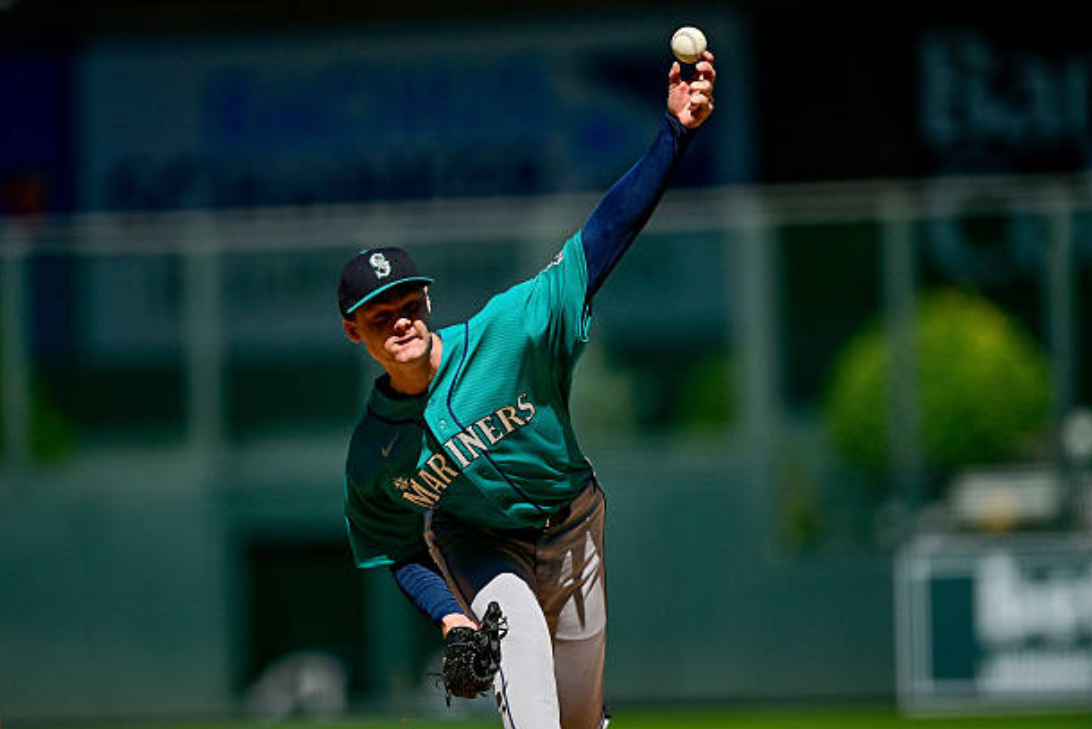
Kade Anderson Gets Mariners Stay of Execution, but M’s Add to Injury Pile
Had the season gone according to plan, the Mariners’ 2-0 win on Sunday against the Rockies would have been utterly unremarkable in the grand scheme of things, another notch in the belt of a team running away with the division.
As things stood in the real 2026, the middle third of that sentence was true. But things did not go according to plan; the belt was about 15 to 20 proverbial notches shy of where the M’s expected to be by the end of the penultimate week of the season. All that the win did, in the greater sense, was stay the Mariners’ execution by a couple of days.
In the nearer view, the game had a high note in Kade Anderson’s seven shutout innings and a low in Andrés Muñoz’ early injury-related exit.
Muñoz has dealt with right knee issues in the past, and he reached down to that area after multiple pitches in the bottom of the ninth as he fought for the save. He is going to receive imaging when the M’s return to Seattle on Monday.
As for the day’s high note, the performance on the mound for the first seven innings was a sound distraction from the general melancholy of their experience this year.
“I thought Kade (Anderson) buried his off-speed stuff down very, very well, and they took advantage of that team being aggressive, and he got a lot of quick outs which allowed him to get deep,” said skipper Dan Wilson. “I just thought the whole game plan from beginning to end, and the way Kade executed it, was phenomenal.”
Kade Anderson excelled for seven scoreless innings, earning his second MLB win.
The first few big league starts for Anderson have been something of a rocky road for the No. 3 pick of the 2025 MLB draft. Despite clearly having the building blocks - killer secondaries, lots of strikes, a spotless minor league resume - to be a lockdown starter, he had a 5.33 ERA, 4.44 FIP, and 1.421 WHIP over his first five outings with the Mariners.
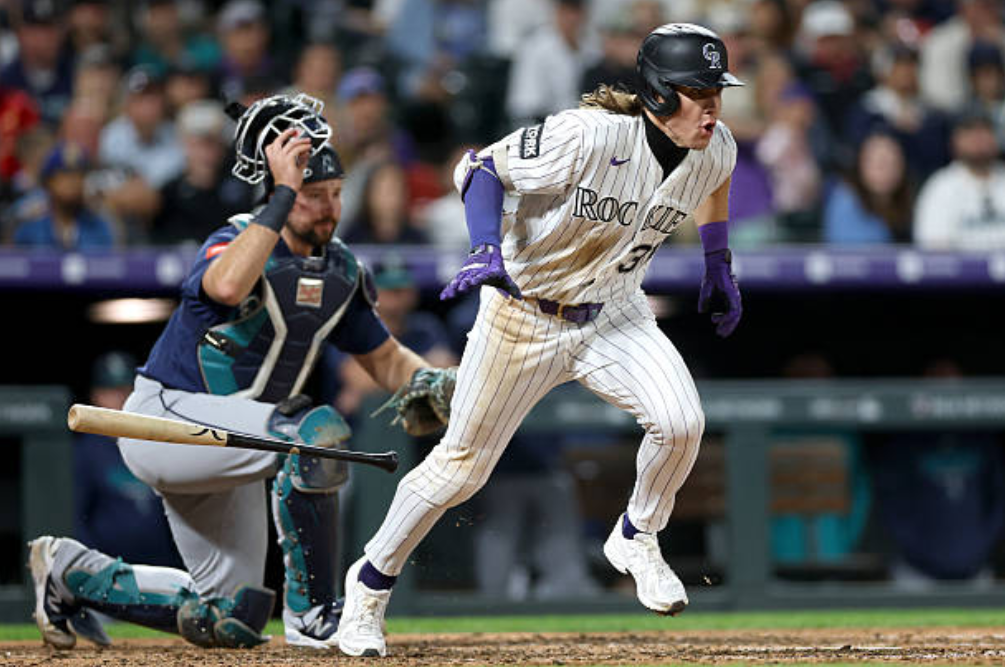
Mariners Split First Two against Rockies, Reach Edge of Elimination
When the M’s looked at their schedule in the early months of 2026, the antepenultimate series of the season - a three-game set against the Colorado Rockies - surely did not stand out as particularly important.
The 2025 Rockies, who were the second-to-last regular season series for the M’s, had been mere speed bumps for Cal Raleigh to reach the six decade mark and for the team to clinch its spot as AL West champs. The fact that their opponents were then the Rockies meant nothing, because the story of that team at that point was what they could do, rather than what could be done to them.
And as it turned out, it is not. Despite the fact that the two teams will be separated by somewhere on the order of 15 to 20 wins at the end of the year, neither one will be going anywhere in October. The Rockies, as expected, have been one of the worst teams in the sport, long competing for the NL West cellar with the near-equally hapless Giants until the bottom fell out in September with a 1-11 run going into their series with Seattle.
Over the first two games of their series, the teams have split a game apiece, looking very much evenly matched as they battled - perhaps flailed is a better term - against each other in picturesque Coors Field. Seattle won 5-4 on Friday while Colorado prevailed 5-3 on Saturday, nearly even tallies for teams that, by this point of the year, were nearly even in ability.
Perhaps the Mariners could have won both had their defense been merely average; perhaps the Rockies could have won both had their pitching been merely average. Both teams ensured that their performance in this series wouldn’t meaningfully impact their chances long before they actually faced off; the only difference is that the Mariners didn’t expect it to happen to them.
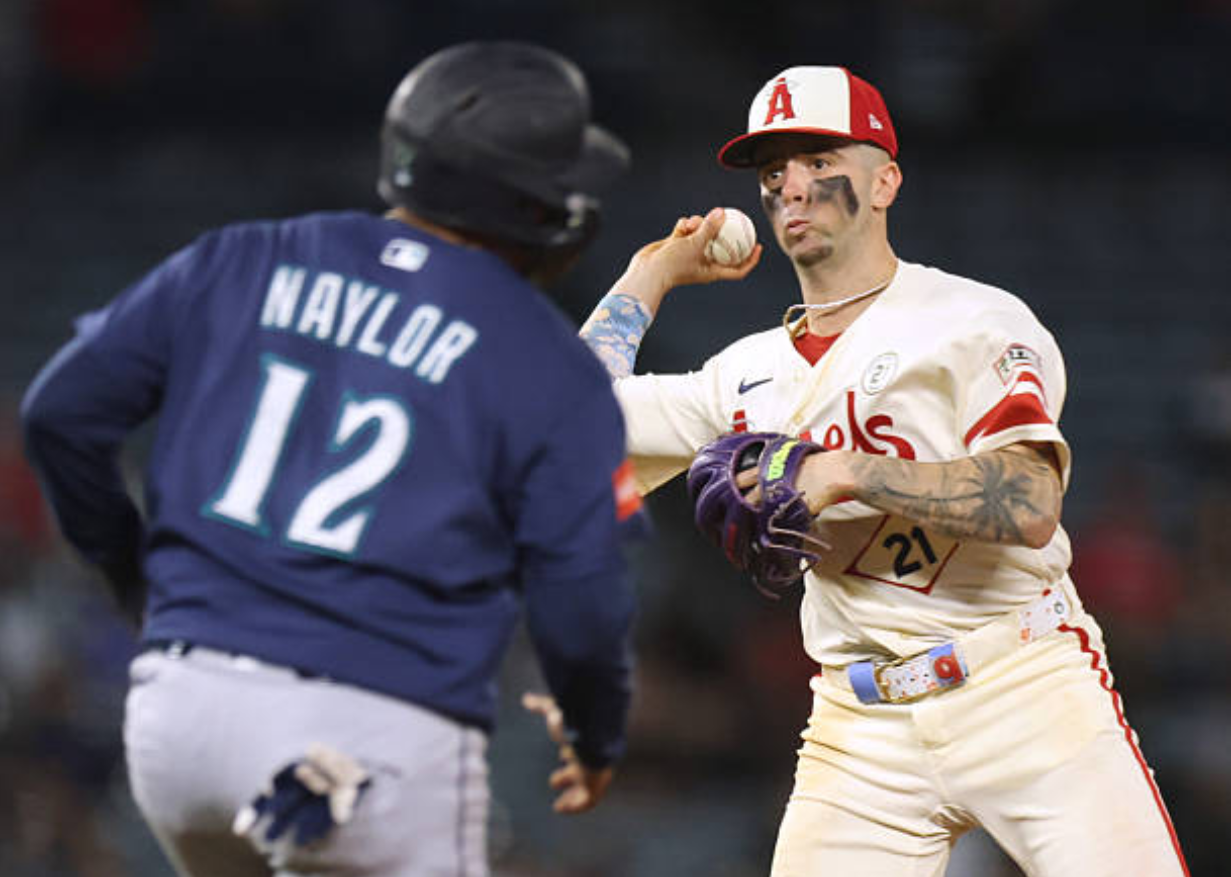
Mariners Cement Losing Season, Drop Another Game to Angels
When Cole Young rolled one over weakly to second for a game-ending double play on Tuesday, a grim reality that had been all but assured for weeks became official: the 2026 Mariners are a losing team.
Seattle’s 2-1 loss to the Angels dropped the team to a 70-82 record with 10 games left to play. The playoff picture, which became even uglier as the Astros and Rangers both won, is now hardly worth thinking about.
Tuesday’s step into the abyss, like all 81 before them, had a little bit of symbolism. Dan Wilson, surrounded by smoke that he will step down when this year is done, took out one of the team’s top prospects in favor of their half-measure rental.
As any individual game goes, however, Tuesday’s was unremarkable. Logan Gilbert pitched well but got saddled with a loss because the offense died down aside from one run. The team squandered its chances with runners in scoring position. From the 10-foot view, it isn’t meaningfully different from the other losses; in the story of how the M’s went from one to 82, it is only valuable as a milestone.
The 10,000-foot view shows us that this was part of an inexorable pattern. The M’s would often chalk up such games to bad luck, but now there is no ignoring even for Wilson: it wasn’t bad luck.
“We were just waiting for it to turn around, and it never quite did,” Gilbert said. “It’s on us. At the end of the day, that’s the reality of it. We need to be accountable and know that we have to execute better. Things have to change. We have to have those conversations and figure it out.”
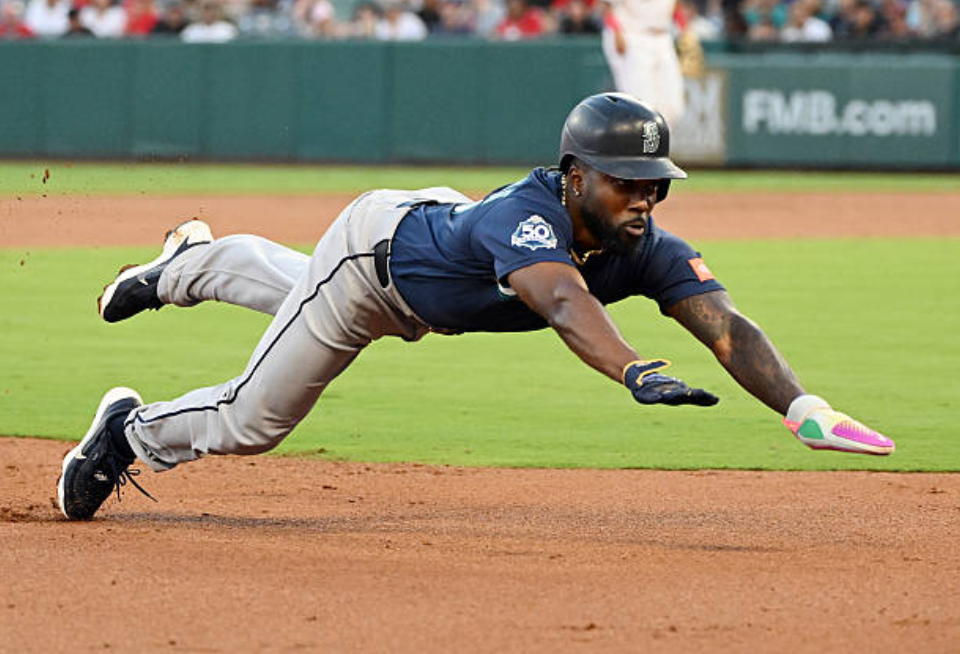
Mariners Can’t Afford to Let Randy Arozarena Walk
The 2026 Mariners are one of - if not the - most disappointing teams in franchise history. With the 2025 version being just a few innings away from its first World Series berth, expectations were rightfully sky-high this year. And yet the team has completely face planted.
But there are a few positives to glean from 2026.
The main story of this gut-punch year has been the massively disappointing offense in Seattle. Cal Raleigh, Josh Naylor, and Julio Rodríguez are the main culprits in dragging the offense down when they should be the ones lifting the team to higher heights, as none of them have an OPS above .700 in a year where the league average for OPS is .720. Even with the park factors in play for these Mariners, all of those well-paid stars have been below league average.
One player, however, has met and even exceeded expectations: Randy Arozarena is putting together the finest season of his eight-year career. His .278 average, .852 OPS, and 148 wRC+ all are career highs over a full season, while his 25 homers are just two shy of his career high he posted last season. With 11 games remaining in 2026, there’s still a solid chance he can surpass that benchmark, too.
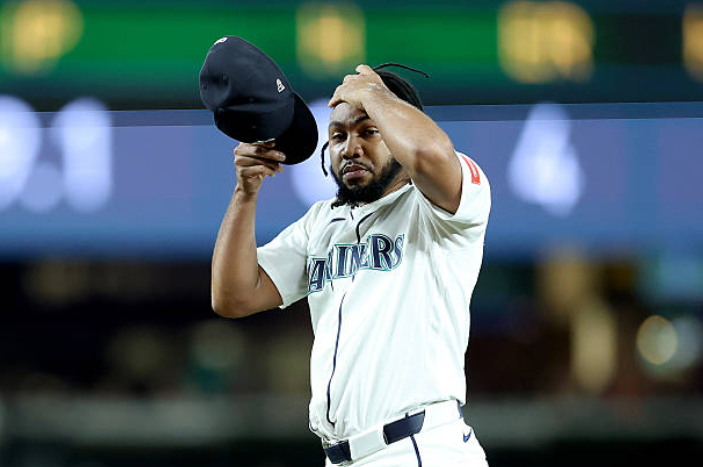
True to the Blue: Shallow Mariners’ Bullpen Dried Up in Disappointing September
Highlighted by a bullpen that has been running on fumes for most of the second half of the season, Emerald City Spectrum reporter Callaghan Bluechel goes over how the lack of roster depth and overall indecision led the 2026 Seattle Mariners season ending in dreary fashion, likely to finish with a sub-.500 win percentage one year after making the AL Championship Series.
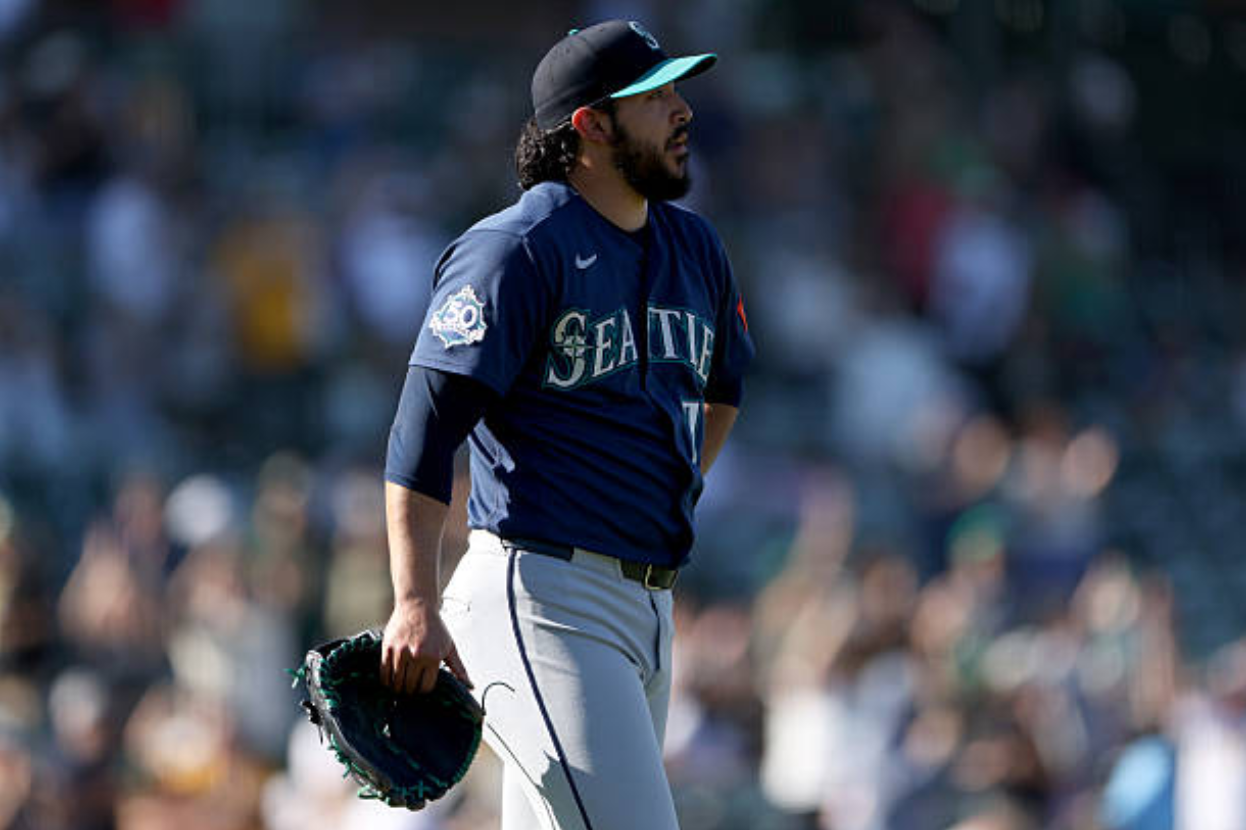
Lawrence Butler Walks Mariners Off, Engulfs Last M’s Playoff Hopes
For years, the Mariners have relied on an ability to churn out relievers for pennies on the dollar, filling out a bullpen with just enough arms that are viable in a given year for the team to manage the innings required of a strong starting staff.
But the lack of relatively surefire options made the M’s weak to the impacts of a serious amount of injuries. The team lost Matt Brash, Cooper Criswell, and Carlos Vargas for extended periods of time, and the strain hence put on Eduard Bazardo and Jose Ferrer has turned what started as great seasons for both of them into second half catastrophes. The buck has thus fallen to lesser arms who have only inconsistently held up the bullpen’s standards, and with Sunday’s 8-7 loss, the final fruits of this were borne out in full.
The final deciding blow may have been Lawrence Butler’s walk-off two-run homer, but the fulcrum point of the game was the seventh inning. Had Carlos Vargas, who had already pitched a frame, managed to get one of the first two batters out, the A’s wouldn’t have approached Seattle’s tally. Had Gabe Speier, whose effectiveness as a reliever had been closer to his then-4.22 fielding independent pitching (FIP) and 4.36 expected FIP (xFIP) than his then-2.61 ERA, put out the fire with runners on, the A’s would have been down by three when the ninth began. And had Seranthony Domínguez either let Shea Langeliers’ grounder go to second or made a clean grab on the ball, a one-run lead would have continued apace.
“They’re all tough,” said Mariners manager Dan Wilson after the media pre-empted his usual “tough one” stock phrase.
This late in the season, and with more smoke than ever that this will be Wilson’s last as the M’s skipper, that phrase has ascended from being a verbal display of a manager going through the motions and become something of a meme, in both the Dawkinsian and Millennial senses of the word.
It’s tough because it’s a loss. It’s tough because of how avoidable this loss was. It’s tough because it is the final reminder that the Mariners did not do enough, whether in terms of the owners or the front office or the players themselves, to avenge their fallen selves from a year prior. And it’s tough because that word might be the only one given by the other 29 teams to Seattle’s self-sabotage.
Tough.
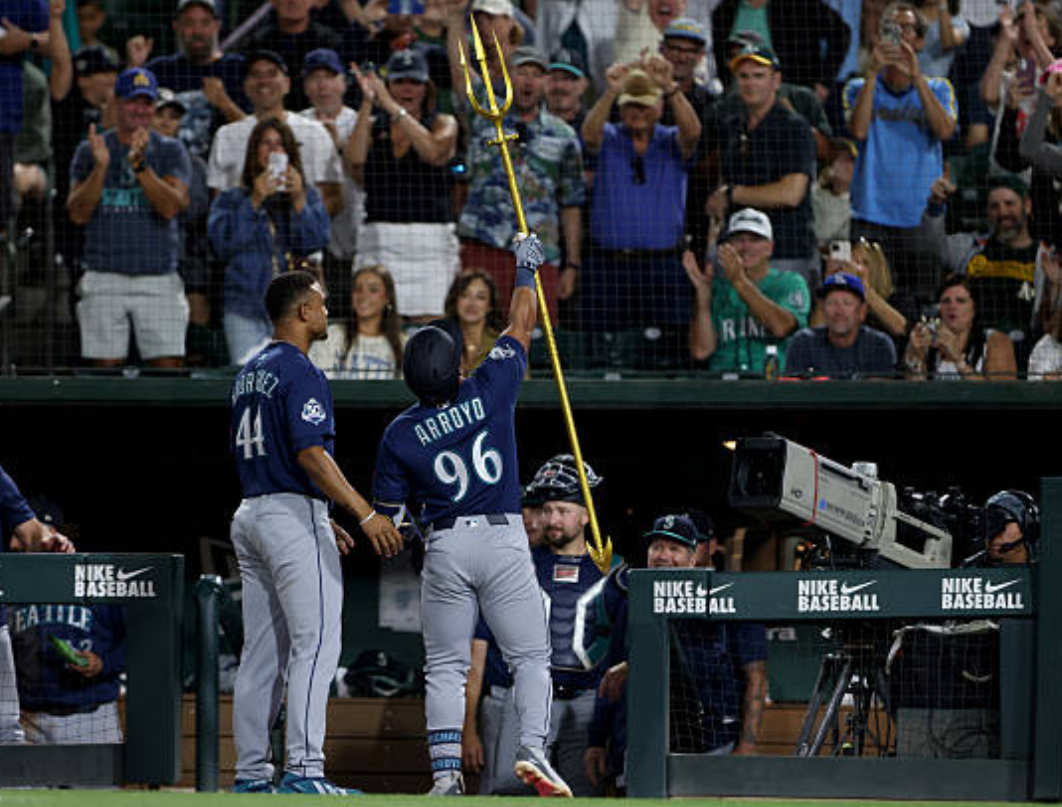
Mariners Make History With 19-1 Beatdown of A’s
While not mathematically eliminated from the playoffs, the Mariners are on the edge of despair. Needing to win almost every game from here on out, Seattle got off to a great start with a 19-1 smackdown against the Athletics
For an offense that has been up and down (but mostly down) all year, the Mariners put together their highest-scoring game of the season and recorded the largest margin of victory in franchise history. On the other side of the historic night, starting pitcher Bryan Woo continued his streak of scoreless baseball, dealing six shutout innings.
The bullpen came in and did its part as well, allowing zero earned runs to complete the record-breaking night.
It may have been rather hollow on the whole considering the greater circumstances, but just looking at the score from the 10-foot view, it was the biggest win in team history.
And for rookie Michael Arroyo, there was nothing close to hollow about his trio of firsts.
Offensive Explosion

Mariners Finally Take Singular Series from Rangers in 2026
At least the Mariners can play spoiler.
That is hardly where anyone on the team wanted them to end up when the season began. But the autopsy of the year - where three guys the Szymborski Projection System (ZiPS) had putting up a combined 15.2 FanGraphs wins above replacement (fWAR) only accrued 4.9 fWAR with 15 contests left in the season - is already written in the oft-surprised and oft-sullen faces of those in T-Mobile Park’s home dugout.
Going into their series against the Texas Rangers, the M’s had already squandered their last chance to jump back into the fray with a somewhat robust series loss to the Athletics over their previous four games. Things had already been dire for Seattle since at least the end of July if not earlier, but that set of games was the moment that the players on the team fully realized they had to stare down the music.
Perhaps there was a new attitude that arose a few hours, give or take, after rookie Lazaro Montes sent a Cal Quantrill meat and cheese sub to Saturn on Tuesday. If the M’s can’t make the playoffs for themselves, perhaps they can use one of their last remaining series against a contender to ruin someone else’s day.
Kade Anderson and Logan Gilbert went 13 combined innings with four runs allowed total.
Both the least experienced and most experienced starting pitchers did what the team needed of them on Wednesday and Thursday. That in and of itself was a departure from the muddy record of M’s hurlers since the All-Star Break, when the staff has suffered one of the worst stretches in recent memory up and down its roster. Before Anderson’s first career win on Wednesday, Seattle starters had logged a 4.99 ERA and 5.04 FIP in the second half, and the youngest had struggled with a 5.40 ERA and 5.63 FIP in his first three starts.
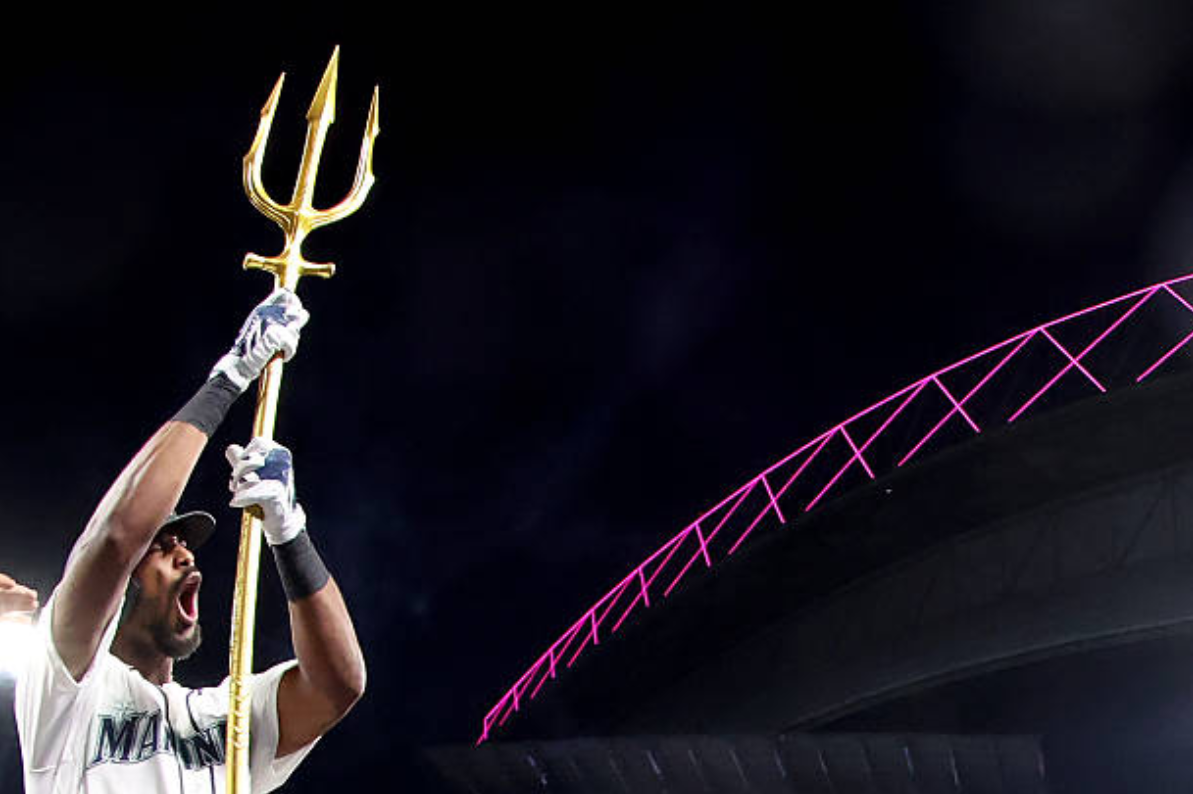
Out Go Vain Mariners Playoff Hopes, In Comes Mammoth Montes Might
For the first time in a half decade, September baseball in Seattle does not mean the tension of a playoff chase. Those chases were vain and doomed more often than not, but the exhilaration and anticipation of the first month of fall is not something that shall grace the cooling confines of T-Mobile Park. With the Mariners seven games back of the division lead after their 10-5 loss on Tuesday with 17 left to go, a team who had once been World Series aspirations now looks upon a wholly lost season.
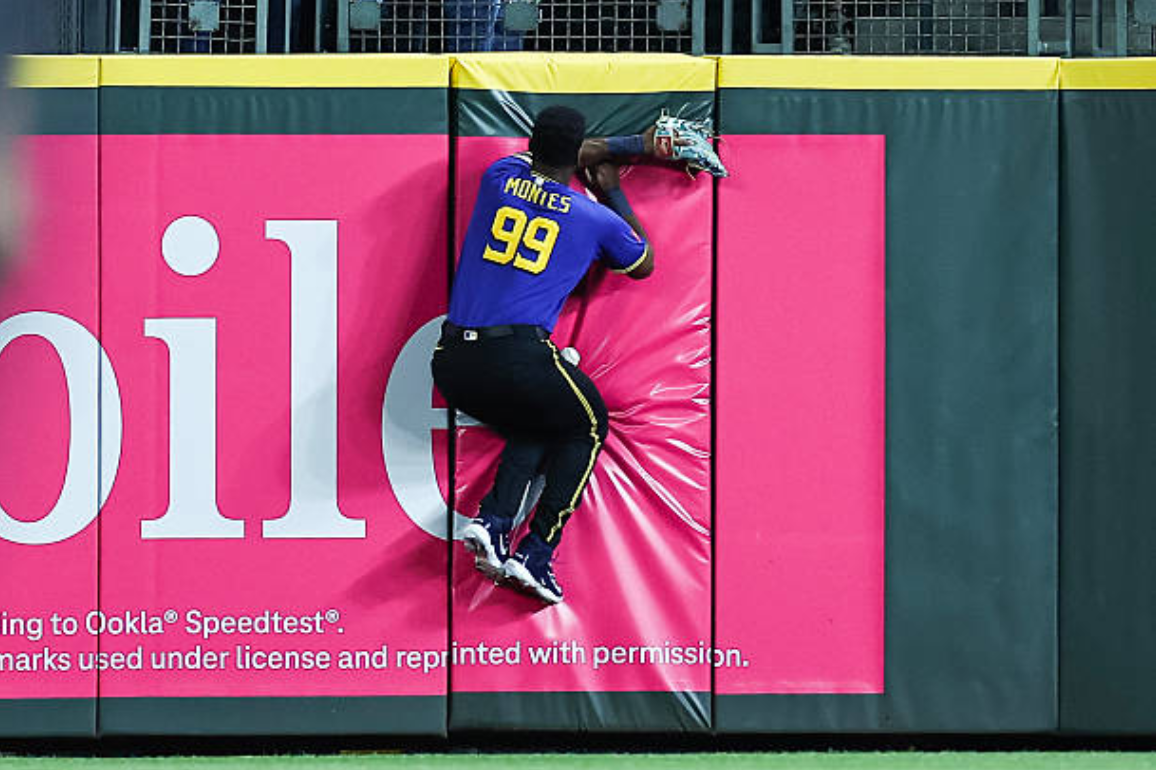
Just as that fact once again became clear on Tuesday, so did another: Lazaro Montes is one of the strongest batsmen on Earth.
The rookie right fielder hit one of the longest homers in Mariners history in the bottom of the fourth against Rangers starter Cal Quantrill, the second of Montes’ career and the first at T-Mobile Park. The 474-footer was the biggest nuke most of those in attendance had ever witnessed - landing on the concourse beyond center field - but for Montes, it was another Tuesday.
“I got a couple, I think in the Dominican Republic, I have one of the long, long, long, long - more than 500 feet, easy,” Montes said. “This is not the only one; I need to now get another one.”
That moment was the sole consolation for a team that had near everything else go wrong in myriad possible ways.
Bryce Miller fell apart early and left before the end of the fourth.
Before Emerson Hancock sustained an injury late in the year, the team had planned to move Bryce Miller to the bullpen and sport a five-man rotation involving the newly-promoted Kade Anderson.
Mariners Playoff Hopes All But Finished After Dropping First Two to A’s
Ask not for whom the bell tolls.
Friday saw the Mariners place one more stone on their own immurement, falling to 66-76 and seven games back of the division. In truth, they had long sealed themselves off from any reasonable chance of wriggling themselves out of their predicament, but they had still been in the twilight of the possible as they returned home from a series win against the Red Sox and began their first of four games against the Athletics.
Losing the first two games of that series should put any remaining embers of hope to bed. The long odds of late August have become near-impossible ones with only a few days gone in September, as the team must make up a seven-game deficit with 20 contests left to go.
The word Mariners manager Dan Wilson used after Friday’s 7-6 defeat wasn’t “tough”; it was “difficult” as he began his immediate recap postgame and “frustrating” as he concluded it. But the sentiment was identical, seemingly homologous to the great gray mass of clouds over T-Mobile Park as summer turns to autumn. Such has been the season in 2026.
Not to mention the fact that Lazaro Montes left the game early.
Logan Gilbert gave up five runs on four homers in the third as his heaters went south.
Hindsight is 20/26: Re-Grading the Mariners’ Offseason Moves
The MLB regular season is heading into a sprint to the finish. There are roughly four weeks left until the playoff picture is set. The Seattle Mariners still have a chance to be in the dance, though those hopes are fading with each loss, including a series-opening defeat at the hands of the lowly Athletics on Thursday.
The Mariners certainly made moves over the offseason to try and capitalize on their trip to the ALCS last year. But fans definitely felt like they could’ve done even more, and the results on the field only have provided more evidence for that argument.
Let’s revisit some of the biggest moves the Mariners made last offseason and see how things played out. Certainly, the benefit of hindsight makes this a little unfair. Some moves that aren’t exactly looking like “A-plus” moves now felt like it back then, in the moment.

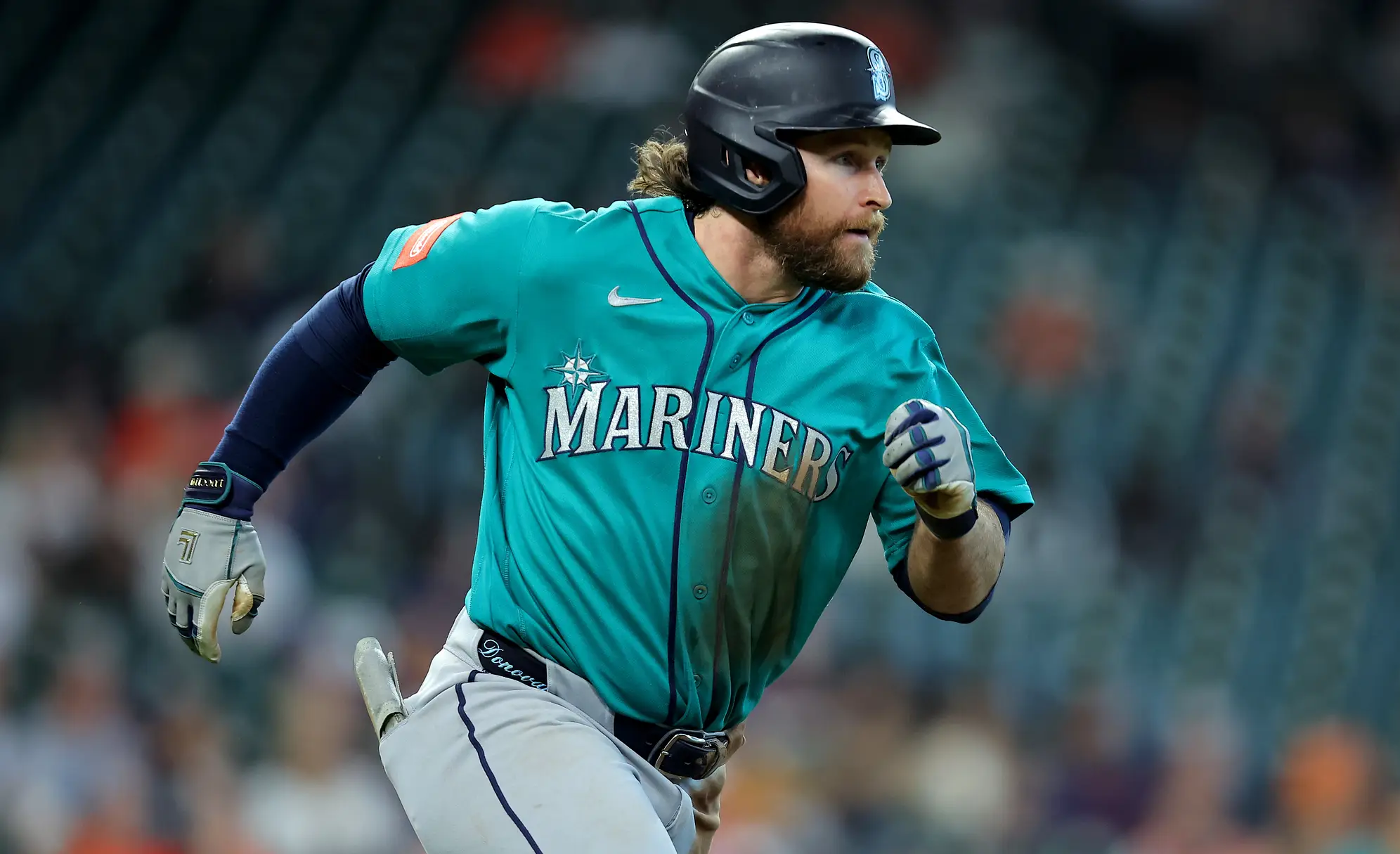
Trade Revisited: Brendan Donovan a Costly Miss for Mariners Thus Far
Heading into the 2026 season, the Seattle Mariners were the odds-on favorite to represent the American League in the World Series. The Mariners have drastically underperformed those expectations, however, limping to the final month of the season barely clinging to playoff life.
Many fans want to clean house. Since ownership can’t be fired, Jerry Dipoto and Dan Wilson are on the chopping block. While nobody believes Wilson will survive the offseason, Dipoto deserves to keep his job, and Seattle fans should hope he sticks around for the long haul.
One of Dipoto’s big offseason swings might be viewed as a failure by the average fan, as Brendan Donovan has had an injury-plagued season and, like the entire team, has performed below expectations.
Hindsight is 20-20, but let’s revisit the offseason blockbuster to see who came out on top almost a season later
WATCH: Mariners’ Playoff Hopes Hanging By a Prayer, Is September Schedule Cooperating?
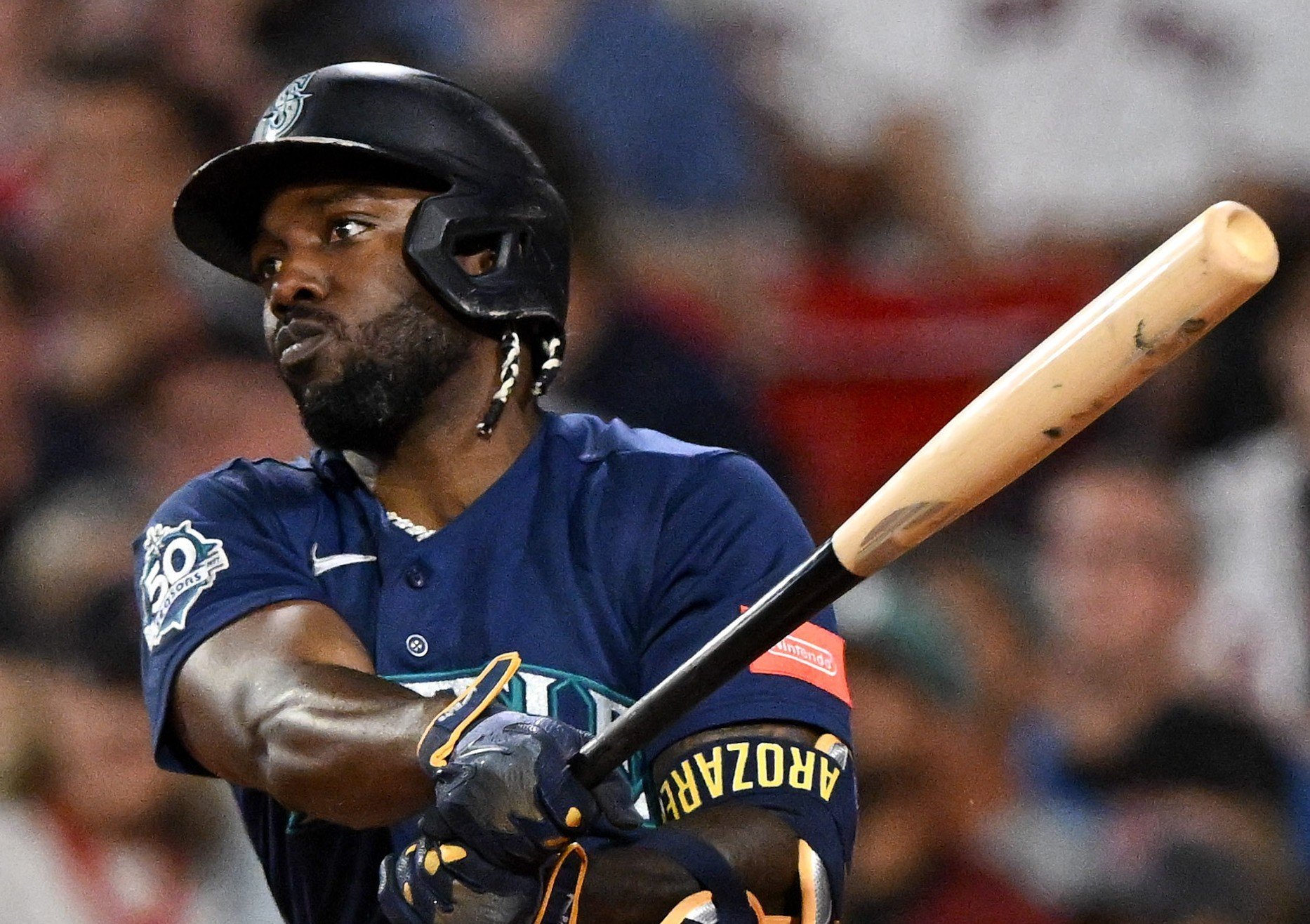
Still eight games under .500, Randy Arozarena and the Seattle Mariners somehow have plenty of life left in the dreadful AL West with one month to play after taking two out of three from the Red Sox in Boston.
Emerald City Spectrum writer Nick Lee breaks down the Mariners' remaining schedule for the rest of the 2026 regular season. Could a soft underbelly to wrap up the schedule be Seattle's saving grace? Or is it too little, too late?
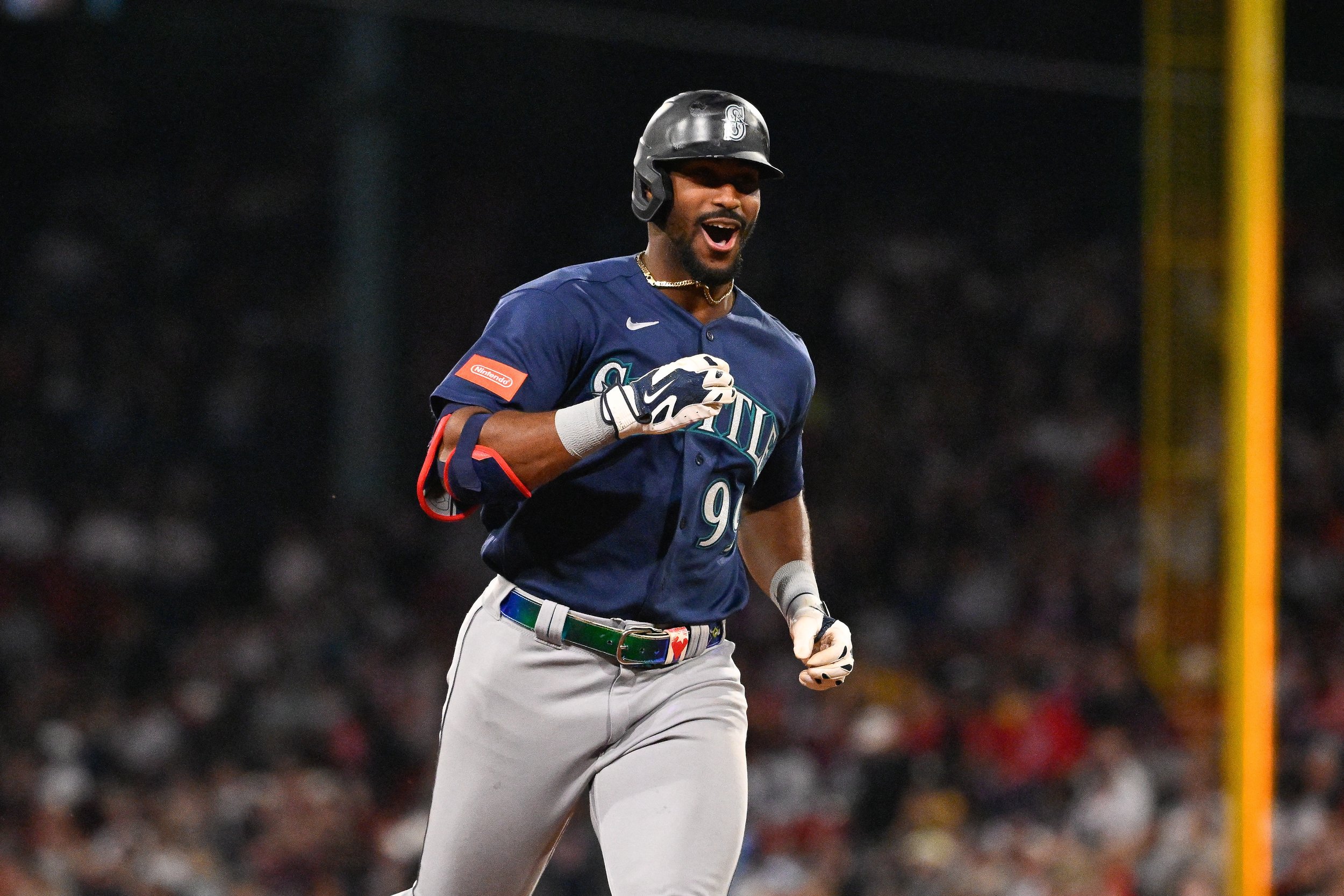
“I Was Trying to Be Me”: Lazaro Montes Excels in MLB Debut, M’s Win 9-6
Yordan Alvarez comparisons had long since fallen out of favor for Lazaro Montes, at least in neutral outlets. Although his power was palpable throughout his minor league tenure (he had 38 homers between Double-A and Triple-A between the beginning of the year and his promotion on Sept. 1), his swing-and-miss proclivities were a sharp departure from the imposing contact rates of perhaps the most complete hitter among the current generation.
The jury still doubts that Montes will be sterling Alvarez, while he still has more work to do to prove whether he was called up at the right time. But there’s no disputing that the Mariners’ most recent call-up had one of the best debuts anyone could possibly ask for.
When a slicing fly ball to dead center disappeared into the triangular mass of fans in that particular nook of Fenway Park’s iconic grandstands, Montes became the first Cuban player since Alvarez to homer in his MLB debut. He became the 38th debutant in baseball history to log a least a homer, walk, and two total hits, joining a club inaugurated by “Frosty Bill” Duggleby in 1898 [1].
“I was trying to be me, be myself like they told me and like I learned,” Montes said after the game. “And giving 100% no matter what happens.”
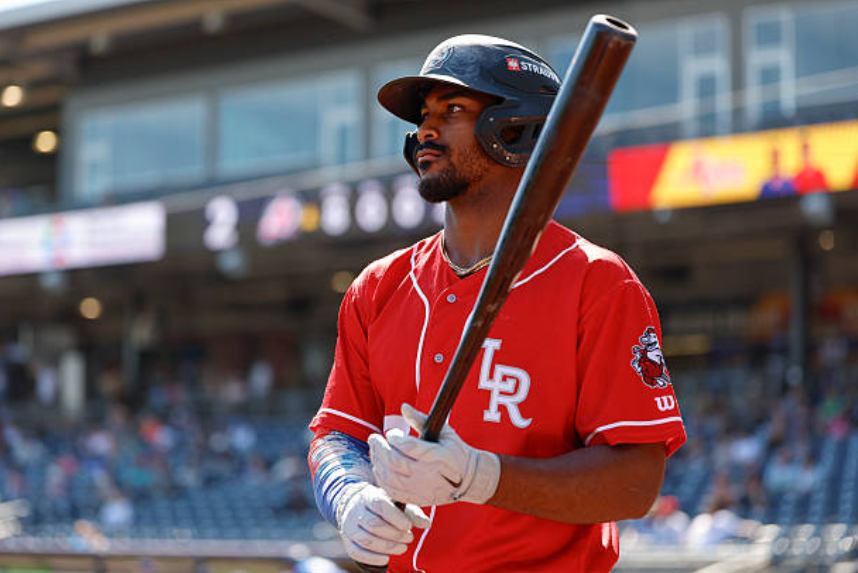
Mariners Officially Call Lazaro Montes to Show; Timely or Too Early?
With MLB roster expansion in September, the Mariners brought on two players to turn the 26-man roster into the 28-man roster for the final month. One was lefty Hoby Milner, who the Mariners picked on a minor league deal Monday after the Cubs released him, and the other was the team’s third-best prospect according to Baseball America.
There is no denying Lazaro Montes’ ceiling as one of the most powerful bats anywhere in baseball. On Aug. 22 in a game against the Sacramento River Cats, Montes cracked a single that left the bat at 116.3 miles an hour. Just 11 players have done that in the majors this year, and that list is something of a who’s who of the hardest sluggers in the game: the worst hitter of that bunch this year is Vladimir Guerrero Jr., whose bizarre inability to hit the ball over the fence despite his eminent skill has led to a .679 OPS; he’s also the only one of those 11 hitters to sport a slugging percentage less than .400 this year.
That set of players has a fair bit more variation in their on-base percentages, however. Coby Mayo’s .284 means that his extra-base hits only improve him to something of a league average hitter on the whole, whereas Yordan Alvarez’ ridiculous .433 OBP highlights a hitting line that would fit in with Barry Bonds’ prime. At the top level, the difference is made by walks; Mayo walks just 7.1% of the time whereas Alvarez walks 15.8% of the time. Underlying this, however, are the items of plate discipline and contact rate; plate discipline to turn pitches outside of the zone into balls and walks and contact rate to force pitchers to avoid Broadway.
Here is where the question lies for Montes.
“Every season, you’re learning more,” the 21-year-old said a couple weeks after his call-up to Triple-A. “Every year, you’re learning more things that help you be more consistent. Not being perfect, because only God is perfect, but yeah, finding yourself, figuring yourself out more, and achieving that consistency you want.”

Explore our latest Seattle sports content by clicking on your favorite team(s) below!