House Settlement Ruling Leaves Much Unsettled for Huskies, College Sports

[caption id="" align="alignnone" width="2048"]
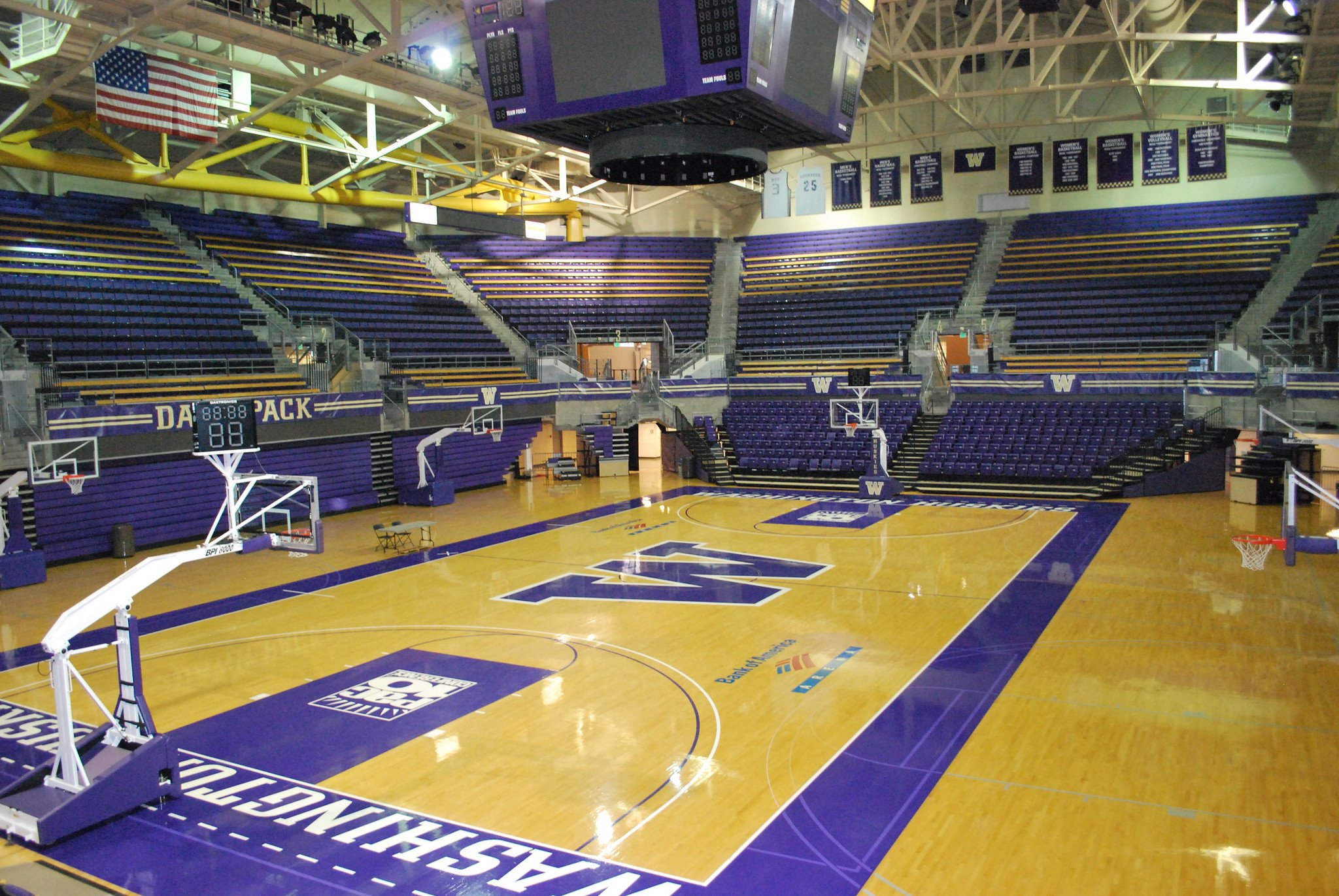
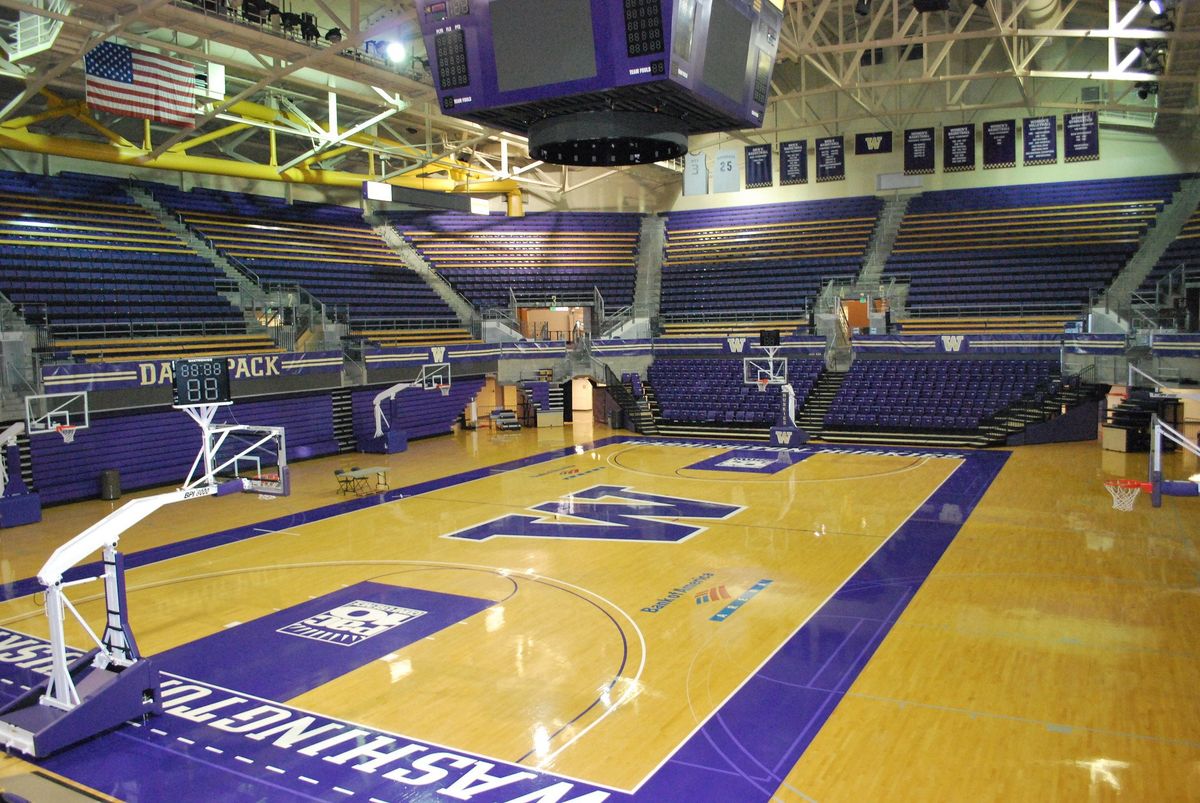
The Washington Huskies hope to take advantage of an abundance of Fortune 500 companies in Seattle to build strong programs following the recent House settlement ruling, including on the hardwood. [/caption]
A week after the House settlement brought major changes to collegiate athletics, a whole new set of questions is being raised for athletic departments at schools like the University of Washington.
Since California Judge Claudia Wilken signed the settlement on June 6, we’ve learned that Washington plans to distribute the maximum allowed in the first year, meaning $20.5 million in checks will be cut for Huskies athletes.
During an appearance on the Dave “Softy” Mahler and Dick Fain show on Sports Radio 93.3 KJR on Wednesday, Huskies football coach Jedd Fisch confirmed that UW will distribute the maximum allowed 75% of the $20.5 million to the football program.
Fisch sounded relieved that some governance will be in place after what some deemed the “wild west” era of teams being able to spend as much as they could raise to attract recruits and transfers.
“We all like to know what’s legal, what’s not legal,” Fisch said during his KJR appearance. “What’s a rule, what’s not a rule. We all want to kind of drive in between the lines and understand what the competition is doing and understand that they’ll be held accountable the same way we’ll be held accountable. None of us want, in certain places, holding guys accountable differently. This new world order, that I call it, is working extremely hard to hold everybody to the same standards.”
The House settlement puts a cap on how much an athletic department can spread out amongst its athletes, but does not go beyond the basic rule allowing a maximum of 75% for football and 15% for basketball. The $20.5 million will also increase over time, as it’s a percentage of certain income received by major programs.
Washington, which has 22 NCAA Division I sports, will have to figure out what to do with the remaining 10%. A few major conference schools have already indicated that they’ll focus those funds toward 2-3 teams. It seems destined to happen at UW as well. Women’s basketball, volleyball, and softball would seem to be the frontrunners. Schools, and perhaps conferences as a whole, may be put in positions to choose which sports they want to feature while freezing out athletes from 20 or so sports.
The next step will be for UW’s Name Image and Likeness (NIL) program, “Dawgs Unleashed,” to work on Seattle-area businesses to use marketing funds to hire Washington athletes to represent their businesses and brands. The House settlement aimed to require NIL payments to athletes for legitimate business purposes, rather than payments to play a college sport. Fisch believes that will be advantageous for the Huskies.
“If everyone plays by the rules, and the rules are how they’re defined, I think we should be in the top five in the country (in NIL money for players),” Fisch told KJR. “We’re 30 miles away from 12 Fortune 500 companies from our campus. … There’s no way that we can be beat by small-town colleges. There’s just no way. So if it’s not regulated property, we can be, but if it’s regulated properly, there’s just no way.”
The question is, how enforceable are the rules? Will the “bag man” return to college athletics, dropping off bags of cash in shiny cars pointed at specific schools?
How involved do Fortune 500 companies want to get with using athletes to represent their brands? There may be some athletes who are so popular nationally that they sign national deals to represent companies. This became apparent during the NCAA basketball tournament, when several top players appeared in national advertising campaigns. But, we’re talking about a dozen or so out of the nearly 1,500 or so players who got on the court during the men’s and women’s tournaments.
If you’re in the Seattle area, think about how many Seattle pro athletes you’ve seen in commercials. Of those, how many were for Microsoft, Amazon, Costco, Starbucks, etc.? Even on a smaller scale — deals like Marshawn Lynch’s “Stop Freakin’, Call Beacon” commercials — it’s not a large number. So, it remains to be seen what types of companies get involved with college athletes, and how players receive significant compensation through Fortune 500 companies.
Courtrooms Will Remain Busy
While the settlement closed the door on three major lawsuits related to athlete compensation, it remains ajar for future time in courtrooms. All NIL deals now must be approved by NIL Go, managed by the Deloitte accounting firm, in an effort to make sure they’re not pay-for-play, but for legitimate business purposes with reasonable compensation. But, what is reasonable? Expect lawsuits to pile up when deals are denied. What, for example, can a CEO of a major shoe company pay players at his or her alma mater that wears a lot of different uniform combinations? Who determines, for example, how much the Emerald City Spectrum should be allowed to pay the backup long snapper for weekly podcasts? We may never know that answer to the latter, but examples closer to the former will likely see some court time.
There’s also some question as to whether or not the settlement could hold up in court. If an SEC school wants to overtly pay a roster $50 million, can anyone really stop that? If those “bag men” are out there, can they be investigated in a timely manner? History makes many skeptical that all aspects can be controlled.
Title IX, which was put in place in the 1970s to allow females equal opportunities in federally funded schools, has already become a factor. A group of female athletes who objected to the House settlement filed notice that they are appealing the decision. As 90-plus percent of funds go to male athletes at most Power 4 schools over the next year, it seems likely that other lawsuits will follow.
What’s Next in the Other Washington (DC)?
Politics are a huge part of this process. And the governance of college athletics has become as bipartisan as many other issues. We won’t get too far down that road in this space, but three House of Representatives committees — because why have one committee when there can be three? — have been pulled together to work on a bill, according to a story in The Washington Post.
The NCAA has long been asking Congress for help with antitrust protection, which would include:
- Making sure athletes not considered employees of universities
- A preemption of state laws that may be in conflict with laws in other states
- Insulating the NCAA, conferences and schools from lawsuits when eligibility, transfers and compensation, among other issues, are challenged
The most basic argument becomes: How much control should the institutions need and what rights should the athletes have? Opinions on this vary from “players are lucky to have their education paid for” to “the athletes should have full ability to participate in a free market economy” and everything in between.
It seems unlikely this process will move quickly, if it indeed happens. While a bill could be advanced out of the House, it would require a 60 percent approval to pass the Senate. That seems unlikely as long as both parties stick to their sides of the aisle.