Mariners’ Anderson Callup Covers Woo, Lockout Uncertainties

[caption id="" align="alignnone" width="5151"]
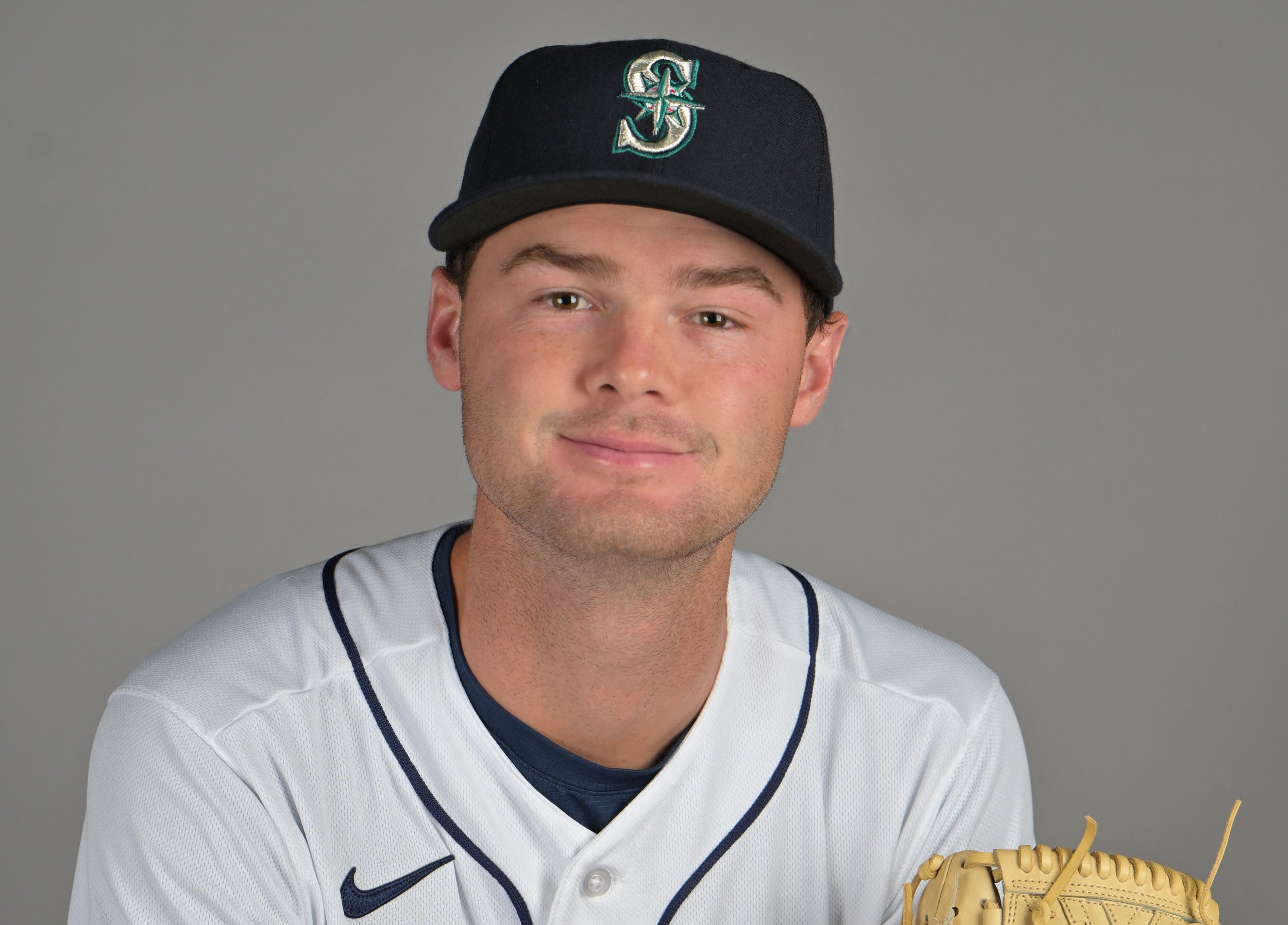
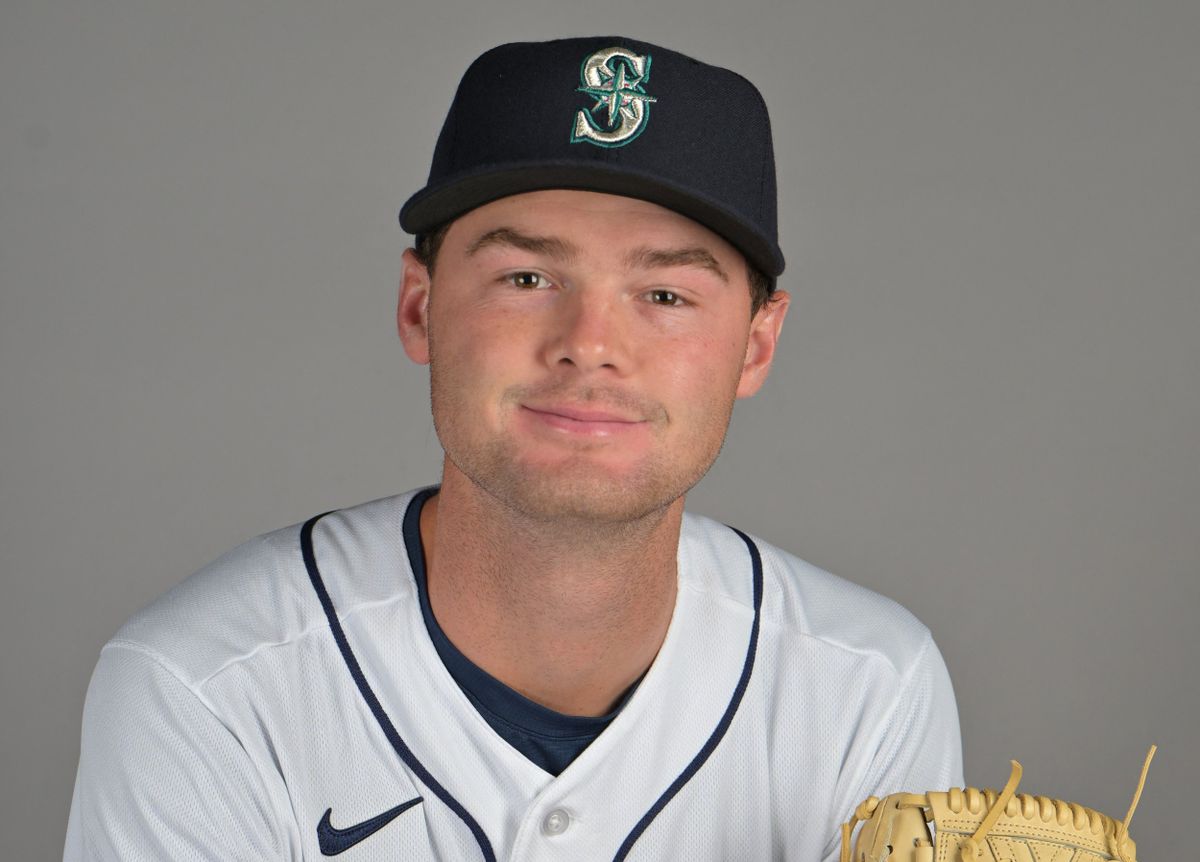
Seattle Mariners pitcher Kade Anderson (13) during spring training photo day in Peoria, AZ. Mandatory Credit: Jayne Kamin-Oncea-Imagn Images [/caption]
There’s a southpaw down in Double-A with a 1.06 ERA, 1.78 FIP, 0.643 WHIP, 40.5% strikeout rate, and 3.9% walk rate.
His name is Kade Anderson, and he’s either the no. 1 or no. 2 prospect in the Mariners system, depending on who you ask. Even adjusted for Arkansas’ very pitcher-friendly stadium, he has a 413 ERA+ and 246 FIP+, both where 100 is league average and higher is better.
Anderson has perhaps been big-league ready for months at this point, but the Mariners brass has so far kept him pitching for the Double-A Arkansas Travelers. But on Thursday, ESPN’s Jeff Passan reported that the prospect would be headed up to the majors to pitch on Saturday instead of Bryan Woo.
Despite - or perhaps because of - the Mariners’ dire position in the standings, the team evidently decided to bring him onto the major league club. The decision may have negative consequences down the road should the impending lockout extend into 2027 (especially if it nixes the whole season), but the move does fit with the way the M’s have operated in 2026: that is, wait a long time to make a decision but ultimately try to nudge things towards winning, even if that nudging can be more than a little halfhearted and much less than enough to turn it around.
Anderson is following in the footsteps of many other Mariners pitchers in recent seasons. Although the Triple-A Tacoma Rainiers’ ball yard is one of the more normal ones in the Pacific Coast League (PCL), the M’s prefer to keep their pitchers from the whiplash of the high-run environment in the PCL and get them right into the majors from their stop in Arkansas.
George Kirby in 2022 as well as Bryan Woo and Bryce Miller in 2023 all went straight from Double-A to the majors, after all, so it was a fairly telegraphed and obvious plan of action.
But why is Anderson so highly rated, and what might he bring to the Mariners team in this stretch run?
If the stats didn’t provide enough of an encouragement, Anderson’s consensus rating as one of the top two prospects in the Mariners system might give some more insights. His fastball isn’t especially speedy (topping around 97 miles an hour), but it reportedly has plenty of rise to make it a strong weapon. His bread and butter, however, are a pair of breaking balls: a diving curveball and a late-breaking slider, both rated as plus by Baseball America. He has also notably improved his fadeaway changeup as an option against right-handers this year, giving him a quite developed four-pitch mix coming out of the minors.
[caption id="" align="alignnone" width="1465"]
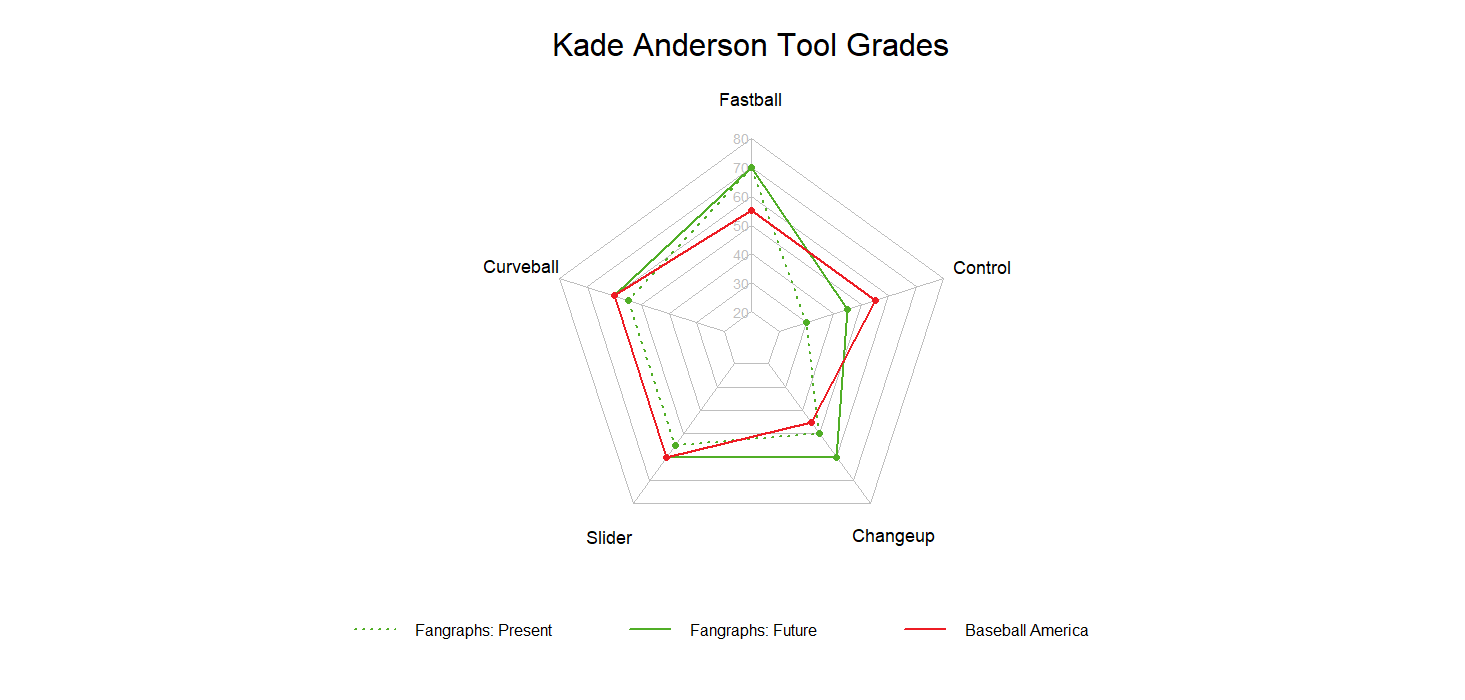
A graphical depiction of Kade Anderson’s tool grades according to FanGraphs and Baseball America, on the 20-80 scale where 50 is average and each increment of 10 is a standard deviation from the mean. [/caption]
This is what pundits mean when they talk about Anderson being a complete player. He also has an above average control grade according to Baseball America - meaning he throws a lot of strikes - but his below average command grade according to FanGraphs means that his in-zone locations might not be as accurate as a big-league team would like.
The news that Anderson is going to be starting comes as no surprise, with president of baseball operations Jerry Dipoto having already ruled out a bullpen debut, but it appears that the five-man rotation will remain for at least one turn.
Bryan Woo, who left his Sunday Houston start early with a shoulder issue, will not be making his turn in the rotation. It was originally set for Saturday, so the news that Anderson would be making the start on that day definitely hinted at this being the ultimate outcome. The M’s are reportedly looking to return to a six-man rotation once Woo is healthy, but it’s still unclear how long he might be out for.
The fact that Anderson is up with the big league team now, however, gives the M’s the ability to have Woo take as much time off as is needed for his injury, though he is currently listed as day-to-day. The knock is perhaps why Anderson got called up in the first place, as there were a few reasons for the M’s to keep him in Double-A for the rest of the year.
For one, players on the 40-man major league roster cannot play if there is an MLB work stoppage, and Anderson’s callup means that he is now on the 40-man roster and will be in 2027. There is a near-certain chance that the MLB owners lock out the players when the collective bargaining agreement (CBA) expires on Dec. 1, 2026, but it’s obviously unclear whether the impasse lasts long enough to seriously impact the MLB season as currently scheduled.
Anderson missing an entire year would be bad for his development, and in other words, grass is green. The Mariners as a team don’t have control over that - its owners will join MLB’s chorus and its players will join that of the MLBPA - but as to whether Anderson’s callup will mean something this year, to the drowning-yet-barely-alive Mariners season, that still depends at least a little on the winds of fate.
Odds aren’t good for Seattle’s collective success, but perhaps a running start for one very talked-about individual might make the bitter pill easier.