Seahawks Come Up Short in Pursuit of Veteran G Will Fries

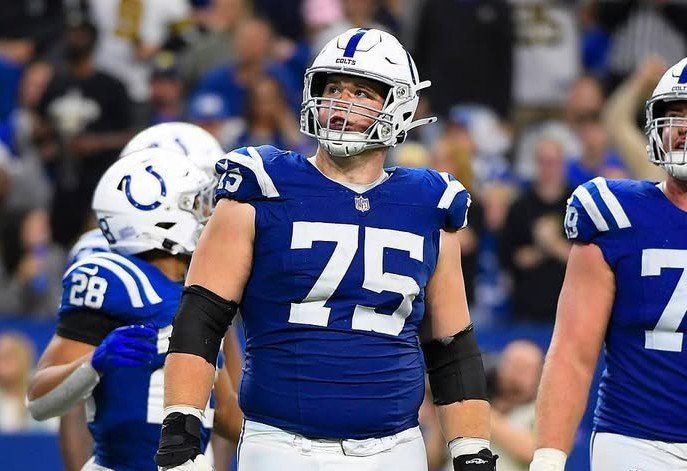
[caption id="" align="alignnone" width="687"]
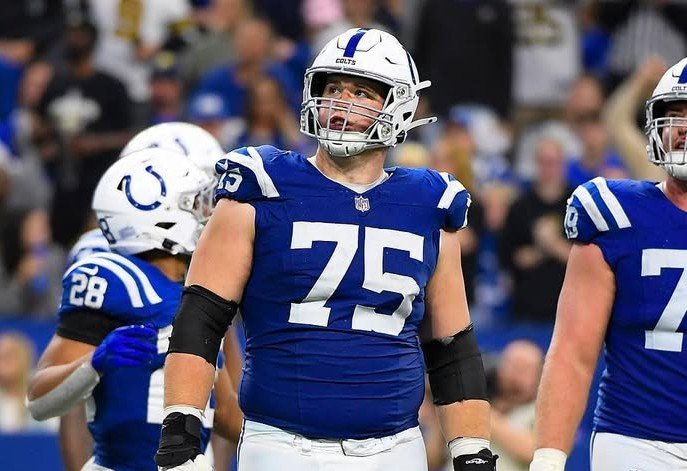
Veteran free agent guard Will Fries opted to sign with the Minnesota Vikings instead of the Seattle Seahawks, accepting a longer contract offer. Credit: Will Fries/Instagram [/caption]
For the better part of a decade, with a few notable exceptions, Seattle Seahawks general manager John Schneider has sat out the early stages of free agency, allowing other teams to engage in bidding wars to overpay for players before entering the proverbial NFL grocery store seeking bargain bin signings.
But after a topsy-turvy week in which Seattle dealt quarterback Geno Smith to Las Vegas and receiver DK Metcalf to Pittsburgh in separate trades for day two draft picks, Schneider came to the market early with sights on reloading the offense inside out. After locking up Sam Darnold as Smith’s successor under center on a three-year contract worth $100.5 million on Monday, the long-time executive believed he had a deal in place with Indianapolis guard Will Fries, seeking improved pass protection for his new quarterback and a quality scheme fit in the run game.
Unfortunately, other teams make offers at auction too, and while Fries seriously considered Seattle’s competitive three-year offer worth north of $50 million, Minnesota came swooping back in at the last moment and upped the ante with a five-year deal worth $88 million, a rare move considering the majority of contracts come in three-year increments in today’s NFL. In addition, the lengthy offer included $44 million in guarantees, including $34 million in full guarantees.
After deliberating, the Seahawks chose not to match the deal and the veteran guard opted to join the Vikings on a longer contract with similar average salary per year, leaving Schneider and the front office back at square one empty handed without a game changer for the offensive line.
On one hand, for those questioning whether Schneider actually made a concerted effort to invest in the offensive line this week, his willingness to offer more than $17 million per season for a 27-year old guard should change the narrative a bit. In the past, such a strong offer would have been more than good enough to sign a premium offensive lineman in free agency, and it provides evidence that he’s trying to utilize Seattle’s abundance of cap space from the Smith and Metcalf trades to improve the roster by prioritizing the trenches.
Considering the money and cap space had been bookmarked to make a run at Fries, it wouldn’t be a surprise if the Seahawks promptly pivot to reinvest some of that money in another free agent guard such as Teven Jenkins or Mekhi Becton, who each remain unsigned at nearly the same age.
But on the other hand, Schneider’s inability to close the deal when it seemed to be locked up casts other questions about the state of the organization under team chair Jody Allen. According to sources with knowledge of the negotiations, the Vikings offered more fully guaranteed money ($34 million) as part of their five-year package that Fries ultimately agreed to with physical pending, and the Seahawks weren’t quick to match that offer given the NFL’s rules for future fully guaranteed money to be placed in escrow.
In addition, a longer contract for Fries would have required more cash up front for a larger signing bonus with two extra years tacked onto the deal, which may have contributed to a potential matching offer not coming together.
There’s more to this falling through than just financial considerations, however. While Seattle clearly wanted the player and viewed him as the best fit for new offensive coordinator Klint Kubiak’s zone-centric scheme, Fries missed most of the 2024 season with a broken tibia and only has been a full-time starter for two seasons in the league, which led Schneider to hesitate on giving the player a contract spanning half a decade with more required guarantees to match without bringing him in for a physical. But the player didn’t want to wait and chose Minnesota’s offer instead.
What does this mean for the Seahawks with free agency starting for real on Wednesday? As things stand, it appears Schneider may have some limitations that he’s having to deal with when it comes to finalizing deals with outside free agents while competing against other teams that have more cash to pay up front at their disposal, and the team’s preference for using vested guarantees based on conditions being met rather than full guarantees also may be complicating efforts to improve the offensive line, at least when it comes to the prized players at the top of the free agent hierarchy.
In a league where, as coach Mike Macdonald loves to stay, everyone is “chasing edges,” such circumstances would put the Seahawks at a disadvantage and validate concerns some fans may have about the future of the franchise with a potential sale coming down the road. At the same time, Schneider can’t be blamed for wanting to bring the player in for a medical visit coming off his injury before shelling out big bucks to sign him.
While Seattle’s efforts with Fries disappointingly resulted in a long fly ball to the warning track rather than a home run, Schneider clearly is motivated to pour valuable resources into acquiring at least one quality veteran starter at guard or center. Assuming he stays aggressive, the next tier of options should be a bit more affordable in terms of average salary and guaranteed money, setting the stage for another move to be made that still proves beneficial to shoring up the offensive line in front of Darnold.