Mariners Add Josh Simpson as Southpaw Groundballer Depth, Hope Homer Stays Behind

[caption id="" align="alignnone" width="2048"]
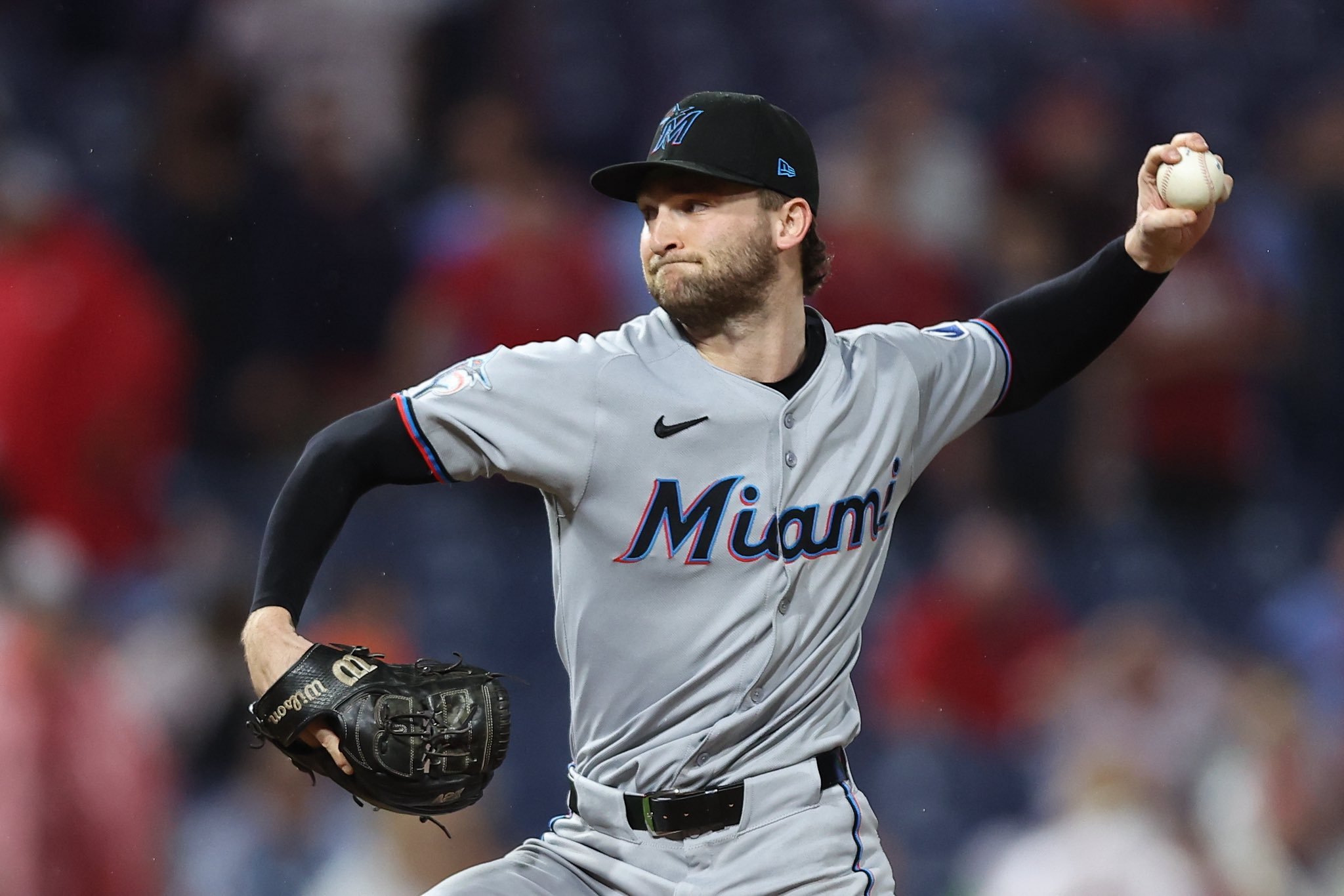
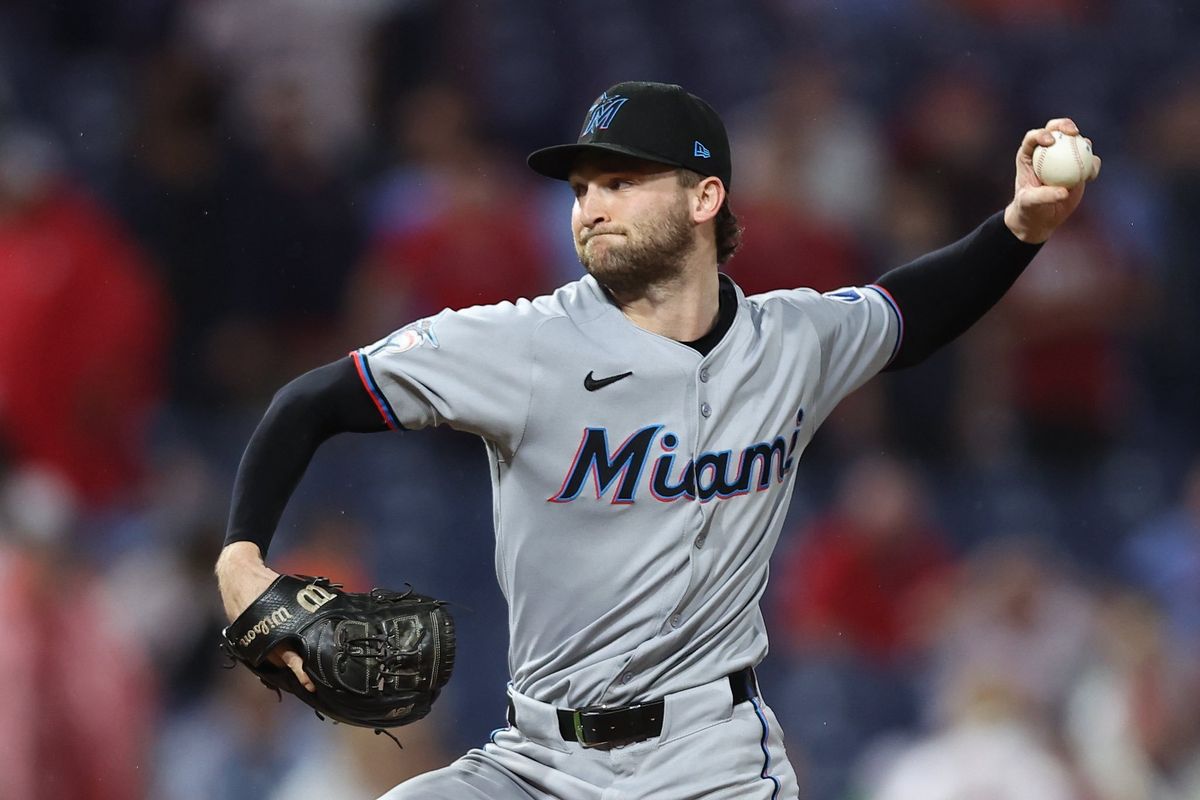
Miami Marlins pitcher Josh Simpson (66) throws a pitch during the eighth inning against the Philadelphia Phillies at Citizens Bank Park. Mandatory Credit: Bill Streicher-Imagn Images [/caption]
For all their strengths, the 2025 Seattle Mariners had little in the way of lefties on the mound. There was Gabe Speier … and that was about it for the top line, given that a deadline trade for Caleb Ferguson did little but wash out. Though Speier did well early on in the ALDS, the Tigers (and later, Blue Jays) got to see him time and time again, allowing them to adjust to his style on the mound.
The M’s have already addressed this issue at the top level, bringing in Jose A. Ferrer from the Washington Nationals, but more depth is never a bad thing. Robinson Ortiz, another winter acquisition, has zero MLB experience despite some clear potential upside. Mariners brass, therefore, brought in southpaw Josh Simpson from the Marlins in exchange for cash considerations, officially adding Logan Evans to the 60-day injured list to make room on the 40-man roster.
Simpson is clearly a reclamation project for the Mariners, coming off a 7.34 ERA, 5.35 FIP, and 1.826 WHIP in 31 appearances in his rookie season last year. His fastballs are below average, but he does have good movement on his sweeper and curveball, with his curve mostly being used against righties and the sweeper against lefties. Control was a big issue for Simpson in 2025, with a 14.6% walk rate and 92 Location+ according to FanGraphs (where 100 is league average), but the real killer was the home run ball.
Despite being a worm-killing arm (53.9% of batted balls were grounders against him in 2025), Simpson gave up five homers. Over 20% of fly balls left the yard against him in 2025, well above league average.
Therein lies the hope spot for Seattle. Home run to fly ball rate (HR/FB%) tends to regress heavily, so pitchers with high HR/FB% tallies one year are good candidates for at least some improvement the next. Expected FIP (xFIP), which takes the home run component of FIP and replaces it with league HR/FB% multiplied by the amount of fly balls a pitcher gave up, accounts for this - and Simpson’s xFIP was 4.44. Not great, but not truly terrible either.
Still, while the home runs might be expected to recede, Simpson’s propensity to give hitters a free pass severely limits him at present, and that’s something he will have to iron out in Peoria over the next month and change. Simpson’s roughly average figures in chase rate and whiff rate, despite his two breaking balls, are another sour sign, though as the saying goes: relievers are fickle.