Free Agent Primer: Will Seahawks Open Up Checkbook to Re-Sign Ken Walker III?

[caption id="" align="alignnone" width="2552"]
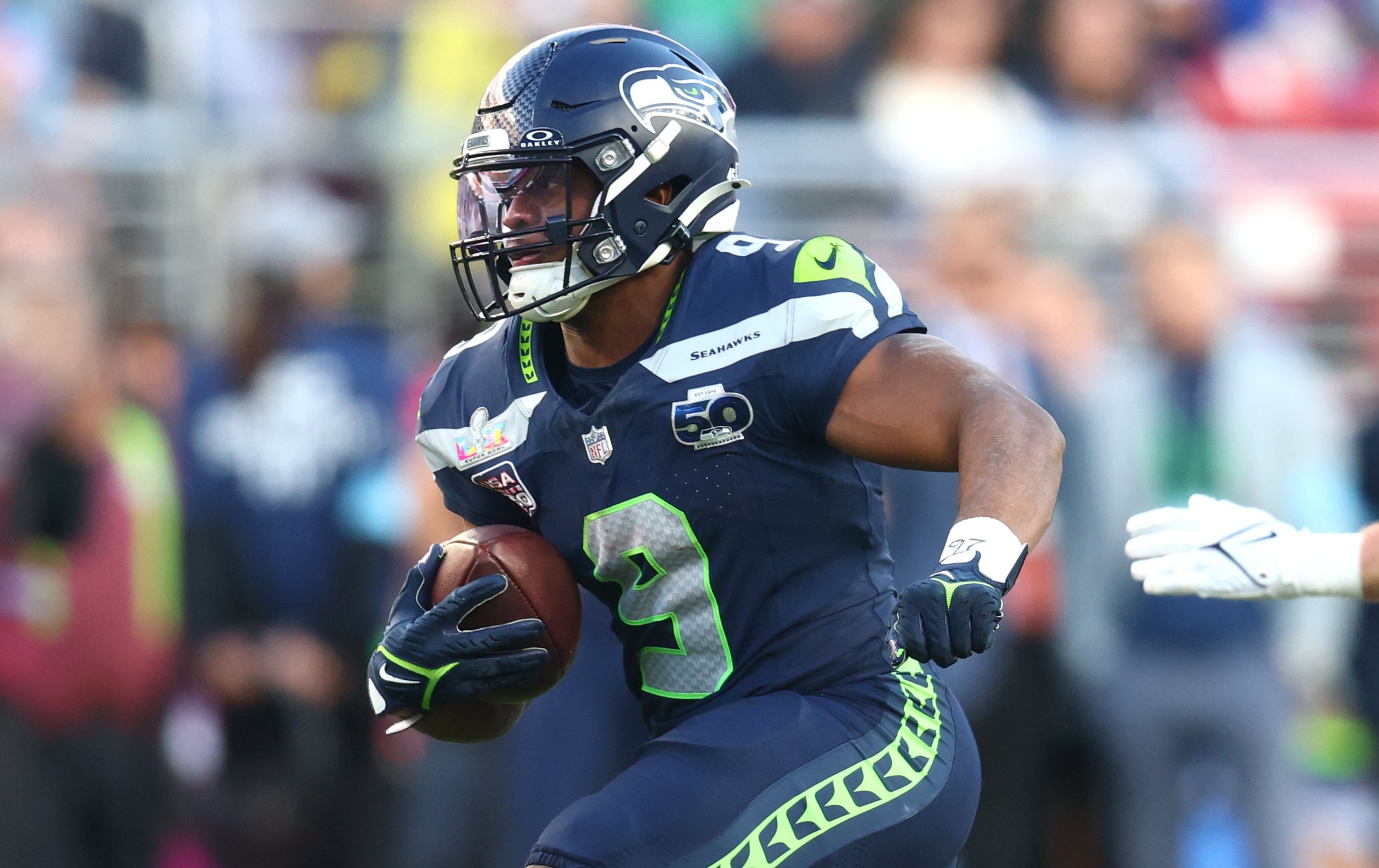
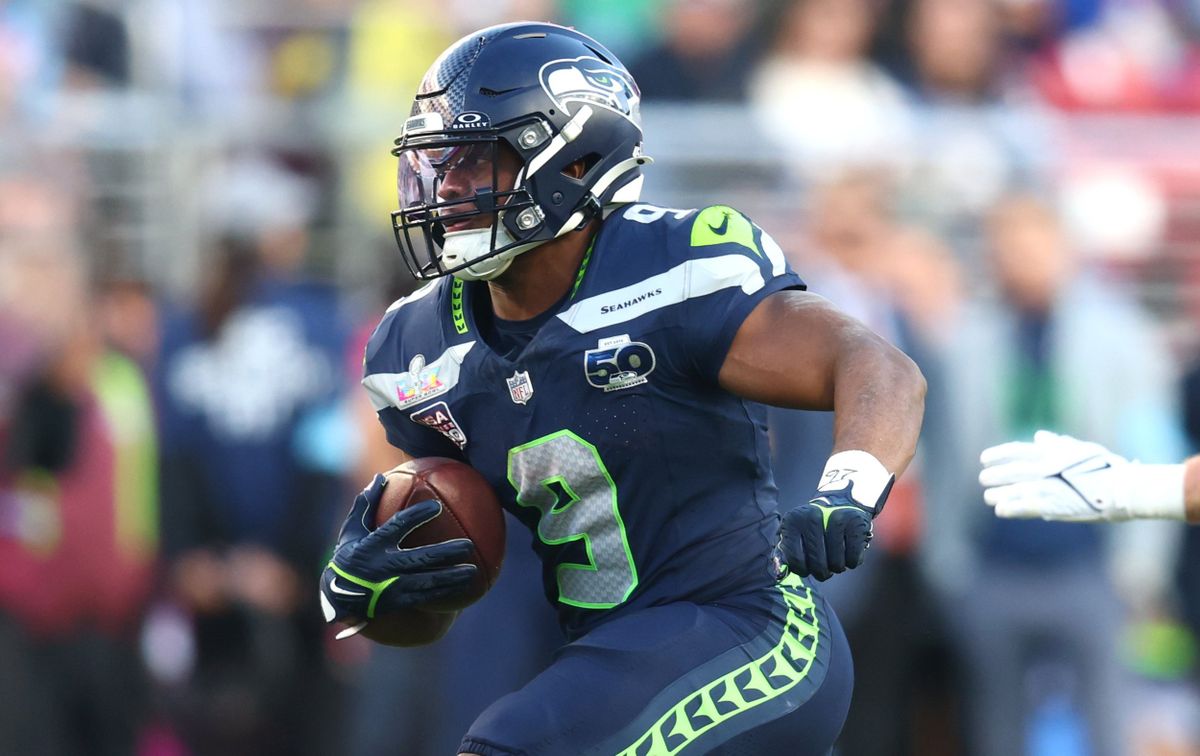
Seattle Seahawks running back Kenneth Walker III (9) runs against the New England Patriots during the second quarter in Super Bowl LX at Levi's Stadium. Mandatory Credit: Mark J. Rebilas-Imagn Images [/caption]
After climbing back to the NFL’s mountaintop by winning Super Bowl LX, the Seattle Seahawks have no shortage of big decisions to make this offseason as they begin their title defense, starting with the free agency period.
With a new league year slated to kick off on March 11, the Seahawks have nine unrestricted free agents scheduled to test the market along with seven restricted free agents and two exclusive rights free agents. Compared to prior seasons, general manager John Schneider has more financial flexibility at his disposal with OverTheCap.com listing the franchise as sixth in available effective cap space ($62 million), but with several big name stars in line for extensions such as All-Pro receiver Jaxon Smith-Njigba, the team won’t be able to keep everyone after running the table to hoist the Lombardi Trophy.
Over the next several weeks, using statistics courtesy of Pro Football Focus and TruMedia, I will break down each and every one of the Seahawks' unrestricted free agents by revisiting their 2025 seasons, assessing why they should or should not be re-signed, breaking down an ideal contract, and making an early prediction on whether or not the player will return in 2026.
Launching the annual series, Ken Walker III couldn’t have possibly improved his value more than he did during a remarkable playoff run that culminated with a Super Bowl MVP. Will the Seahawks pony up the cash to keep their explosive back? Or did his postseason performance ultimately price him out of Seattle’s plans?
2025 in Review
Bouncing back from the worst season of his career in which he failed to reach 600 rushing yards while dealing with multiple injuries, Walker stayed on the field for all 17 regular season games for the first time and picked up steam as Seattle’s new-look run game in Klint Kubiak’s offense found traction in the second half. Starting in Week 10, he went on a 12-game rampage that reached a pinnacle in the postseason, rushing for 868 yards, six touchdowns, and 4.8 yards per carry during that span as the Seahawks went 11-1 in a nearly unblemished second half. He surpassed 1,000 rushing yards for the second time in his career, finishing fifth in missed tackles forced (61), sixth in runs of 10-plus yards (33), and fourth in breakaway percentage (38.8%). Though he only caught 31 passes, he made the most of his chances in the passing game, ranking sixth in yards per route run (1.44) and fourth in yards after the catch per reception (11.0).
Why Seattle Will Re-Sign Walker
Taking a massive step forward confidence-wise in Kubiak’s offense, Walker jumped from the ranks of a quality starter to a borderline elite backfield weapon over the course of his fourth NFL season. Oft-criticized for his penchant for bouncing runs outside too frequently and not being patient enough allowing blocks to develop in front of him, those issues seemed to gradually disappear in the final two and a half months, as improved vision and comfort with wide zone running increased his overall productivity with more explosives and fewer negative rushes stopped in the backfield. Winning as a big play threat with his top-tier speed along with running angry down the stretch, he created major problems for defenses generating chunk plays and manufacturing yardage after contact, showing he could carry the offense on his legs after Zach Charbonnet suffered a torn ACL in the Divisional Round.
Receiving more chances to do damage as a receiver as the year progressed, Walker presented major problems for defenses in the passing game as well. He finished the season averaging 9.1 yards per catch, ranking sixth among qualified backs at the end of the regular season, while also sitting in the top 10 with a 91% catch rate, offering outstanding reliability for Sam Darnold on check downs and in the screen game. Away from his stellar numbers and a fantastic finish as a rusher and pass catcher amid his healthiest season as a pro, the former second-round pick just turned 25 years old, making it easier to project him being successful over the course of a multi-season second contract with him being in the prime of his career, especially with Charbonnet likely to miss extensive time in 2026.
Why Seattle Will Let Walker Walk
For as well as Walker played in December, January, and February to build momentum for free agency, the overall body of work may lead Schneider and the front office to hesitate when it comes to offering a long-term, big money contract. After becoming only the second rookie to eclipse the 1,000-yard plateau in 2022, he dealt with numerous nagging injuries the next two seasons and saw a sharp decline in production, at least in regard to raw yardage numbers, rushing for 900 and 573 yards in 2023 and 2024 respectively while averaging under four yards per carry. Between durability issues and inconsistent play marked by questions about his vision out of the backfield, he didn’t look like a candidate for a $10-plus million per year deal that has become hard to come by in the NFL.
Away from concerns about regression coming off a strong bounce-back season, Walker consistently has been kept off the field in two-minute situations and third downs due to chronic struggles executing blitz pickups in pass protection. The Seahawks may not be as keen on paying him like a top-eight running back if he hasn’t demonstrated three-down capabilities, and based on the fact he has never finished with better than a 40.0 pass blocking grade from PFF, it’s highly questionable if he can reach that status. Add in his injury issues in his first three seasons and there are valid reasons to maybe pause when it comes to paying top dollar for an extension.
Ideal Contract
Three years, $29.5 million
Prediction
In recent seasons, running backs have started to re-gain a bit of their diminished value, evidenced by massive contract extensions handed out by the Eagles and Ravens for stars Saquon Barkley and Derrick Henry. But those deals seem to be exceptions to the rule for two truly elite players rather than a developing norm, as many teams still try to avoid signing backs to lucrative second deals due to concerns about positional value in the modern game and short shelf lives for ball carriers. Depending on what Walker and his representatives demand and/or how other teams value him coming off a Super Bowl MVP, the Seahawks will have to decide if they view him as that caliber of a back when it comes to the ceiling for how much they would be willing to pay to keep him on a multi-year contract.
It’s possible Schneider could set his limit at around $8 million per year, similar to the deal Javonte Williams recently signed with the Cowboys, and drop out if the market price surpasses that. But doing so would be quite risky, as the Seahawks would enter next season with Charbonnet likely to miss at least half of the season and the duo of George Holani and Kenny McIntosh at the top of the depth chart, barring a high draft pick used on a possible starter in April. Schneider has been more than willing to pay backs in the past, striking lucrative deals with Marshawn Lynch and Chris Carson, and given the question marks at the position, emphasis on running the ball as part of Mike Macdonald’s philosophy, and the player’s public comments about wanting to return, look for the two sides to reach an agreement in the $9-10 million per year range to keep “K9” in town for the foreseeable future.