5 Burning Questions for Seahawks Heading Into 2026 NFL Draft
With the Senior Bowl, scouting combine, and official visits all in the rearview mirror and OTAs kicking off across the league, the 2026 NFL Draft will finally commence on Thursday, April 23, providing an opportunity for the Seattle Seahawks to add young talent to their roster after capturing a Super Bowl title in February.
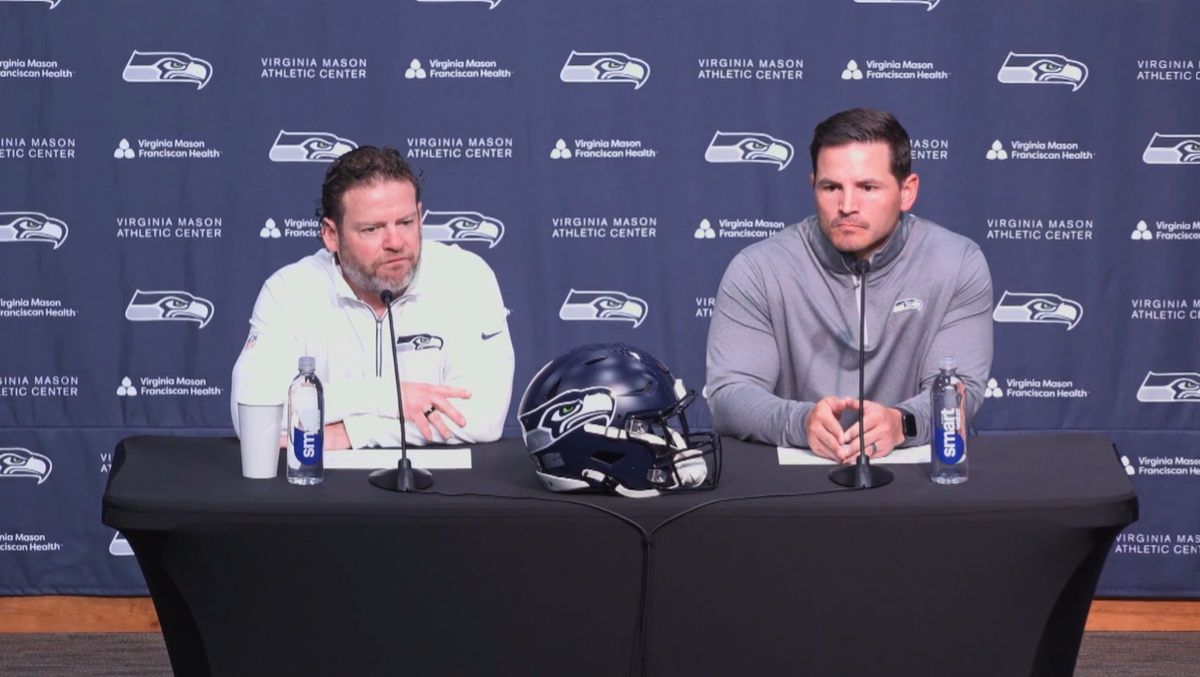
Unfortunately for general manager John Schneider and coach Mike Macdonald, the Seahawks currently only have four selections, their fewest entering a draft since 2021. By virtue of hoisting the Lombardi Trophy, the team also picks last in the first, second, and third round, a “reward” for reaching the top of the NFL mountaintop for the second time in franchise history that will undoubtedly complicate efforts to move down the board with less valuable selections.
One day away from the opening round kicking off in Pittsburgh, even if the Seahawks potentially won’t pick on Thursday night, there are still plenty of questions left to be answered this weekend as Schneider and Macdonald conduct their third draft together:
- Not hiding their desire to trade down in the first round, will Seattle actually find a suitor for No. 32?This won’t be Schneider’s first rodeo, as he has been as trade happy as any general manager in the sport during draft weekend since taking the reins in Seattle in 2010. In 16 previous drafts, he has orchestrated 39 total trades, including trading down or out of the first round six times. On two prior occasions, he dealt out of the round completely, most recently doing so in 2017 when the Seahawks made multiple trades before making their first selection.Due to their minimal draft capital as a result of trading a fourth and fifth-round pick to the Saints for receiver Rashid Shaheed last October, Schneider might as well have put a “For Sale” sign in front of the VMAC on Monday, making it clear that the Seahawks want to slide down to acquire another pick or two to give him a few more throws at the dart board. This included confirming that he would have no issue trading down with an NFC West rival such as the Cardinals, who could have interest moving up for Alabama quarterback Ty Simpson if he remains available at No. 32 overall.“It's no secret with us, guys,” Schneider said. “I mean, we have four picks and we'll be looking to move back and people are usually understanding that, you know, I think we tend to trend backwards, trade back.”As is always the case late in the first round, however, wanting to trade down doesn’t mean Schneider will be able to. With the last pick in the first round specifically, only one team has traded out of that spot in the past seven NFL drafts, and given the chatter about this year’s class not being a highly regarded on for overall talent, garnering much interest at that spot may be a challenge, especially if Simpson goes earlier and there’s a massive crevasse until the next quarterback gets selected from a weak crop of signal callers.Away from Arizona, the New York Jets and Cleveland Browns both have second round selections that they could offer up to slide up for Simpson if they desire a potential franchise quarterback. But the Jets have pick No. 33, so they wouldn’t need to do that unless they wanted to prevent another team from leap-frogging them and decide to trade up to have back-to-back picks. If there isn’t a quarterback coveted at the end of the first round, the situation becomes far trickier for Schneider trying to slide back, though there’s always the outside chance that a receiver, defensive tackle, cornerback, or edge could still generate interest from a specific team.
- Whether they stick and pick or trade, could talent at cornerback and EDGE impact their choice with first pick?While this year’s class isn’t receiving glowing reviews from analysts and teams alike, including Schneider acknowledging the underwhelming crop of talent played into the willingness to trade multiple picks for Shaheed, there are a handful of positions that stand out as clear strengths. Among those, cornerback and EDGE features several viable first round prospects along with plenty of potential starter-caliber ones available well into Day 2.From Seattle’s perspective, it could be argued that with just four picks, if the right cornerback or EDGE remains available at No. 32, the team should just roll with the best option to fill a significant need after losing Riq Woolen and Boye Mafe in free agency by choosing quality over quantity. At the same time, a counterargument could be made that the Seahawks may be best inclined to draft the best player available, even if it isn’t at either one of those positions, with the logic they can address those holes with their second and third round picks on Friday.This thought process could be made easier - or more challenging - depending on how the first round unfolds. If there’s a major run on cornerbacks such as San Diego State’s Chris Johnson, Tennessee’s Colton Hood, and South Carolina’s Brandon Cisse before the Seahawks jump on the clock, Schneider could have more quality EDGE defenders available to choose from. If the opposite happens, then he may have his choice of cornerbacks, which may play into making the 32nd selection or trading away under the premise one of their top targets would still be available in the second round.Putting it simply, there’s a lot of moving parts for Schneider and Seattle’s draft room to navigate beyond weighing whether or not to trade down. How the rest of the league ahead of them drafts will have a strong bearing on what they are able to do once they are on the clock and where positional value will fit into those discussions and corresponding decisions.
- Do Schneider and Macdonald truly have the confidence in their current backfield group they have expressed publicly?In the aftermath of blue and green confetti raining down on the Levis Stadium grass after a Super Bowl LX win, no position group has undergone more substantial changes than Seattle’s running back stable. Taking advantage of his soaring stock after winning Super Bowl MVP, Ken Walker III signed a historic free agent contract with Kansas City, bolting a few weeks after former teammate Zach Charbonnet underwent surgery to repair a torn ACL suffered in the Divisional Round, all but guaranteeing the team would open next season without either of its top two backs from last year on the roster or available to play.With Walker gone and Charbonnet likely sidelined until at least October, the Seahawks have minimal starting experience on the roster at running back. But throughout the offseason, Schneider and Macdonald have spoken glowingly about the returning talent on Seattle’s roster, with third-year back George Holani drawing frequent praise for his well-rounded game as a runner, receiver, and pass protector and Kenny McIntosh receiving positive updates on his recovery timeline from a torn ACL. In addition, both members of the ‘Hawks brain trust expect newcomer Emmanuel Wilson to play a vital role in replacing Charbonnet as a downhill, punishing runner after spending the past few years behind Josh Jacobs in Green Bay.“Signing Wilson really helps us in this year's draft,” Schneider said. “Kind of gives us some freedom. We've talked about George [Holani]. Charbs [Zach Charbonnet] is doing great.”“On record, I believe in our guys, and there's a process too where, thankfully we don't have to play for another five or so months. We have a lot of training to do,” Macdonald added.This time of year, trying to assess comments from coaches and general managers can be a futile task with smoke screens being put up left and right as a security blanket to protect the team, and how the Seahawks feel about their current backfield situation will be dictated by their actions in the draft, not their words leading up to it.Seattle won’t have a shot at the consensus No. 1 back in this year’s class in Notre Dame’s Jeremiyah Love, who could go as early as the first five picks. But Love’s backfield partner in crime Jadarian Price has widely been projected to be the second back off the board, as early as the late first round, and has been linked to the Seahawks throughout the pre-draft process. One of the few backs in an average class with comparable speed and playmaking ability to Walker, if he’s still there at 32 or a trade down, he could be a top target to bolster the run game as the new feature back.On the flip side, if Seattle doesn’t land Price and opts to go different directions in the first three rounds, the running back crop isn’t near as good as a year ago with only a handful of prospects viewed as starters. Choosing to bypass on taking a back early would be a strong indicator that Schneider and Macdonald are putting their money where their mouths are in regard to their belief in Holani, Wilson, and the rest of the runners already on the roster.
- In a draft noted for overall lack of depth, how aggressive will the Seahawks be pursuing additional picks?Without any picks between No. 96 and No. 188 - a chasm that features no selections in the fourth or fifth round courtesy of the Shaheed trade - it’s not difficult to imagine how restless Schneider would be twiddling his thumbs with a such a lengthy layover. Based on his previous track record, making multiple trades as a means to increase Seattle’s draft stockpile would seem to be all but guaranteed, especially to bridge that gap and provide more opportunities for selections on what would be a quiet Day 3 as of right now.But there’s also past precedent for Schneider to resist temptations and choose to punt on a lackluster draft class. Back in 2021, in part due to the blockbuster trade one year earlier that sent two first round picks to the Jets as part of a package for star safety Jamal Adams, the Seahawks only had three picks at their disposal. Underwhelmed by the talent coming out of the college ranks that year, they wound up only making three selections, as two trades ultimately canceled each other out for net picks and the team finished with the smallest draft class in team history.It’s possible that draft will always be an exception to the rule and a true outlier, as Schneider has made at least eight selections in every other draft he has conducted since coming to Seattle 17 years ago. If Schneider trades down multiple times and/or considers trading a future pick or two - the Seahawks have 12 projected picks in 2027 - to climb back into the festivities for another dart throw this weekend to select a player they want, it wouldn’t take much work to get to six, seven, or even eight picks in this draft.As he did five years ago, however, Schneider may adhere to the insight from Seattle’s scouting department that was conveyed as early as the fall in regard to the relative weakness of this draft class overall, choosing to select the four best players available instead of picking more times from an quickly depleting talent pool or sacrificing picks from what many expect to be a vastly superior class across the board in 2027.Regardless of how things play out, whether Seattle selects just four times or pull off a 2018 magic trick and transform those selections into 10 players with a bevy of trades, the goal will remain the same: find “true Seahawks” all the way through the draft.“No matter if you have the three and - was that '21? Was that the year we had three picks? Or last year having a bunch of draft picks, it doesn't matter,” Schneider remarked. “You still feel that same level of pressure to be able to bring the best people you can and for the organization and for the coaching staff.”
- On that front, could a player on the current roster potentially be in play to add a selection with limited draft ammo?Trading down or dealing future picks away remain the most common routes to adding draft picks, and Schneider has ample experience deploying both strategies over the years. There’s also another tactic that teams can deploy trading veteran players in exchange for picks, though Schneider hasn’t been interested in going that route during his lengthy tenure in the Pacific Northwest. In fact, dealing quarterback Sam Howell to the Vikings as part of a pick swap last year stands out as the lone time he has ever traded a player for a pick during draft weekend.There have been a few times where Schneider has traded away players in the days leading up to the draft, however. In 2017, he dealt unretiring running back Marshawn Lynch to Oakland in a pick swap on the eve of the draft. Two years later, after franchise tagging pass rusher Frank Clark, the team acquired a first and second-round pick from Kansas City on the morning of the first round, giving Seattle a pair of first round selections to work with.While likely a longshot to happen considering his limited history of moving veterans to gain picks, it isn’t impossible that Schneider could dangle a couple of young backups as trade bait with hopes of acquiring another Day 3 pick. Among those who could be potential candidates, center Olu Oluwatimi played well in four starts replacing injured starter Jalen Sundell last season and other teams looking for an upgrade at the position may be willing to deal a fourth or fifth round pick for him with two years left on his rookie contract. Linebacker Tyrice Knight, who lost his starting job to Drake Thomas last season, could be another intriguing candidate for a late pick with two years of club control on his rookie deal as well.