Analysis: What NCAA's New 5-for-5 Rule Means for Washington State Athletics
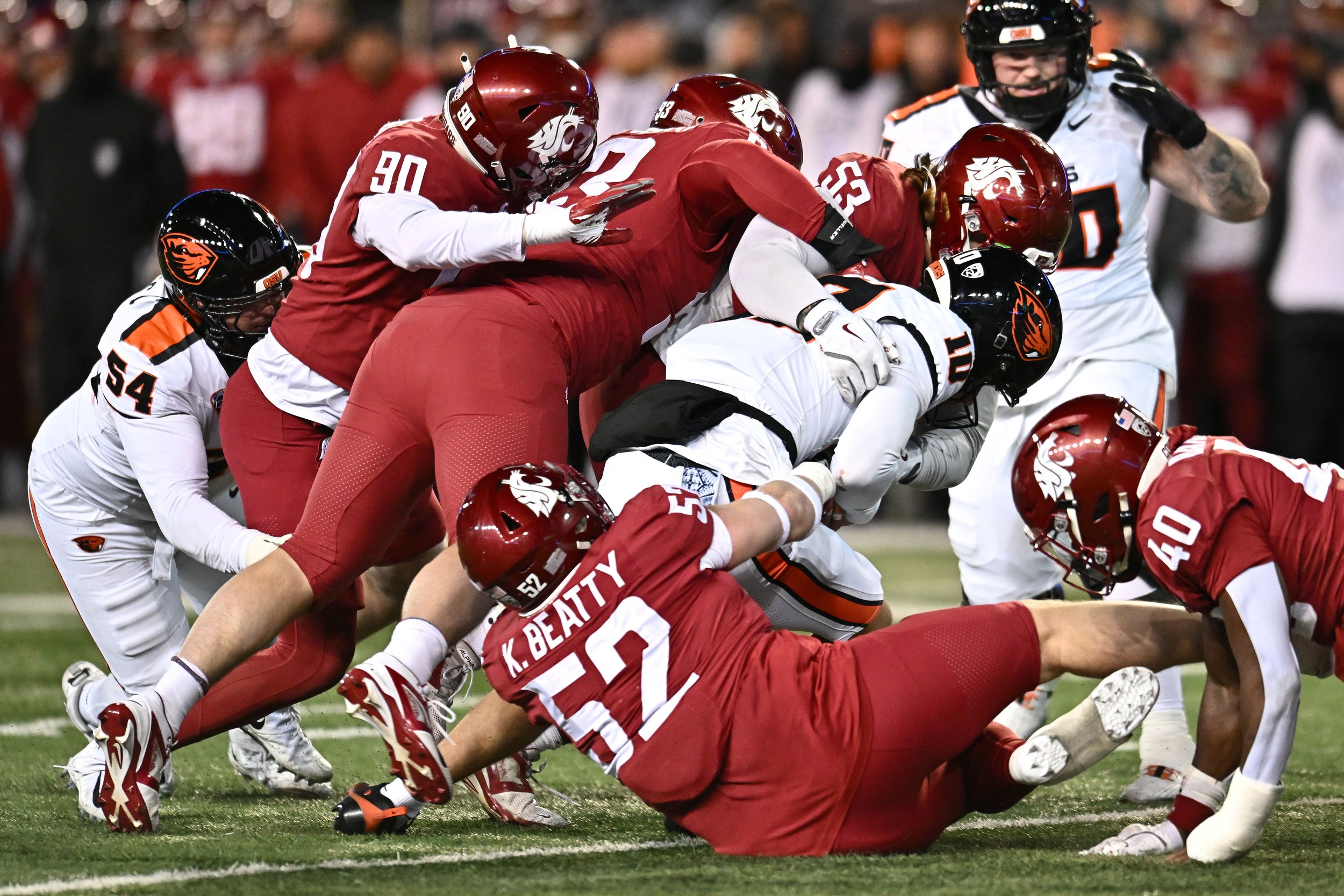
College athletics entered a new era this summer as the NCAA officially adopted its new "5-for-5" eligibility model. The rule is one of the biggest changes to college sports in decades, replacing the traditional four seasons of competition with a much simpler system. Student-athletes now receive five full seasons of eligibility, provided they enroll in college within the required age window. The change also eliminates redshirts and many of the waiver exceptions that had made eligibility increasingly complicated in recent years.
The rollout of the new model has already produced additional legal developments. On July 31, a federal judge in Colorado granted an extra year of eligibility to athletes who were part of the 2022 recruiting class. While those athletes are immediately eligible to compete, they cannot transfer to another school unless they entered the transfer portal during the spring transfer window.
Meanwhile, separate lawsuits in Ohio and Tennessee have resulted in temporary rulings allowing the named plaintiffs in those cases to enter the transfer portal through August 10. Those decisions currently apply only to the athletes directly involved in the lawsuits, but they illustrate just how quickly the college athletics landscape continues to evolve.
For Washington State, the new rule presents both opportunities and challenges as the Cougars prepare for life in the rebuilt Pac-12.
For years, Washington State has built successful teams by identifying overlooked recruits and developing them over multiple seasons. In today's college football landscape, however, that has become increasingly difficult because of the transfer portal and NIL.
Under the previous rules, coaches had to decide whether to redshirt freshmen or risk burning a season of eligibility for only a handful of games. That decision is now gone.
Instead, players can contribute immediately while still having five full seasons of eligibility. For a developmental program like Washington State, that creates both flexibility and risk. Coaches can give talented freshmen meaningful playing time right away without worrying about preserving a redshirt. If an injured player returns late in the season or a young player develops faster than expected, they can immediately help the team.
The downside is that breakout players become even more attractive transfer portal targets. Washington State may spend years developing a player, only to see a larger program with greater NIL resources attempt to lure them away after a successful season.
Better Roster Flexibility
The new 5-for-5 rule simplifies roster management.
In the past, coaching staffs constantly had to balance redshirt decisions, medical waivers, and eligibility exceptions. Now, coaches can simply play their best players without worrying about preserving a season of eligibility.
That flexibility could especially benefit Washington State under head coach Kirby Moore as he continues building the football program. Young players who are ready to contribute won't have to wait simply to preserve a redshirt, allowing coaches to put the best possible roster on the field from Day 1.
Recruiting Challenges Could Change
While the rule offers several advantages, it also creates new recruiting challenges.
With athletes now able to compete for five full seasons, experienced college players become even more valuable. Programs with larger NIL budgets may lean even more heavily into the transfer portal, choosing proven veterans over developing high school recruits.
That could make roster retention even more difficult for schools like Washington State who have traditionally relied on player development to remain competitive against other programs more flush with revenue.
Impact on Basketball
The rule could have an even greater impact on Washington State basketball.
College basketball has increasingly become a sport dominated by experienced rosters, and five full seasons of eligibility could make teams even older across the country. That naturally benefits programs with the financial resources to retain veteran players through NIL opportunities.
It will also be interesting to see how the new eligibility model affects international recruiting, particularly with European prospects. Because eligibility is now tied to age and enrollment requirements rather than traditional redshirt rules, coaches will have to carefully navigate how the NCAA applies those standards to older international recruits.
What It Means for WSU
Overall, the 5-for-5 model represents another significant step in the ongoing evolution of college athletics. In recent years, the NCAA has dealt with a constant stream of eligibility waivers, transfer rule changes, NIL developments, and legal challenges. The new model appears to be an attempt to simplify one of the most confusing aspects of the system.
For Washington State, the change creates greater flexibility in player development and roster management, but it also increases the importance of recruiting, retention, and NIL support. As the Cougars enter a rebuilt Pac-12, success may depend less on understanding the new rules and more on adapting to them faster than everyone else.